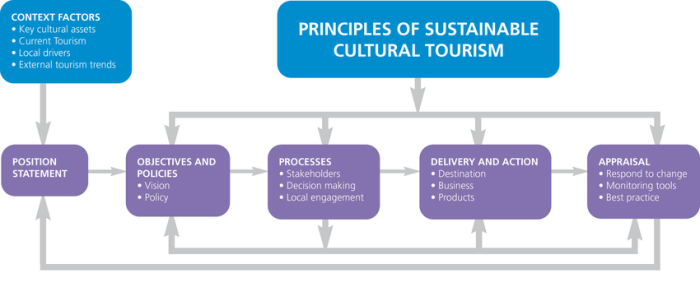
Sustainable cultural tourism represents a vital shift in how we experience and interact with different cultures. It moves beyond simply visiting a place to actively participating in its preservation and the well-being of its communities. This approach acknowledges the intricate interconnectedness of economic, social, and environmental factors, promoting a more ethical and long-lasting form of travel.
This exploration delves into the core principles of sustainable cultural tourism, examining the responsibilities of both travelers and tourism stakeholders. We will analyze the economic benefits for local communities, the crucial role of cultural preservation, and the environmental impact of various tourism practices. Through case studies and future trend analysis, we aim to illuminate a path toward a more responsible and rewarding travel experience for all.
Defining Sustainable Cultural Tourism
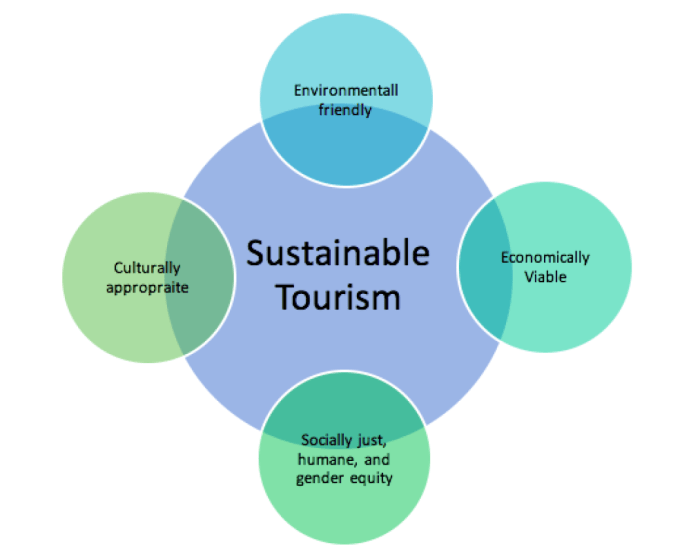
Sustainable cultural tourism represents a responsible approach to travel that minimizes negative impacts and maximizes positive contributions to the cultural heritage and well-being of host communities. It’s a multifaceted concept encompassing economic, social, and environmental considerations, aiming for a balance between visitor satisfaction and the long-term preservation of cultural resources.Sustainable cultural tourism prioritizes the protection and enhancement of cultural heritage, ensuring its accessibility for both present and future generations.
It strives to create meaningful and authentic experiences for visitors while empowering local communities and fostering intercultural understanding. This approach contrasts sharply with unsustainable practices that prioritize profit over preservation, leading to the degradation of cultural sites and the displacement of local populations.
Key Principles of Sustainable Cultural Tourism
The core principles underpinning sustainable cultural tourism practices guide responsible development and management. These principles ensure that tourism activities are environmentally sound, economically viable, and socially equitable. Adherence to these principles is crucial for achieving long-term sustainability.
Differences Between Sustainable and Unsustainable Cultural Tourism Practices
Sustainable and unsustainable cultural tourism practices differ significantly in their approach to resource management, community engagement, and environmental protection. Unsustainable practices often lead to negative consequences, while sustainable practices aim for positive outcomes for all stakeholders.
| Feature | Sustainable Cultural Tourism | Unsustainable Cultural Tourism |
|---|---|---|
| Economic Impact | Fair wages for local workers, equitable distribution of economic benefits, support for local businesses and artisans. Example: A community-based tourism project where profits are reinvested in local infrastructure and community development. | Exploitation of local labor, leakage of economic benefits to external entities, minimal investment in local communities. Example: A large international hotel chain operating in a historic area, employing primarily outside workers and generating little revenue for local businesses. |
| Social Impact | Respect for local customs and traditions, community participation in decision-making, preservation of cultural identity. Example: A tourism program that includes cultural exchange opportunities and supports local cultural performances. | Disruption of local life, commodification of culture, cultural appropriation and misrepresentation. Example: A tourist attraction that depicts a simplified and stereotypical version of a culture without authentic representation or engagement with the community. |
| Environmental Impact | Minimization of waste, conservation of resources, protection of natural environments. Example: Eco-lodges built using sustainable materials and minimizing their environmental footprint. | Pollution, resource depletion, damage to natural habitats. Example: Mass tourism to a fragile ecosystem, leading to pollution, habitat destruction, and depletion of natural resources. |
The Role of the Cultural Tourist
Sustainable cultural tourism relies heavily on the responsible actions and mindful choices of each individual tourist. It’s not just about visiting a place; it’s about contributing to its preservation and the well-being of its communities. Understanding your role as a cultural tourist is paramount to ensuring the longevity and authenticity of the destinations we cherish.Cultural tourism’s success hinges on the responsible behavior of its participants.
Every decision a tourist makes – from transportation choices to interactions with locals – has an impact. By actively engaging in sustainable practices, tourists can become positive agents of change, fostering a future where cultural heritage thrives alongside economic prosperity for host communities.
Minimizing Environmental Impact
Reducing your environmental footprint while traveling is crucial for sustainable cultural tourism. This involves making conscious choices that lessen your carbon emissions, conserve resources, and minimize waste generation. For example, opting for public transportation or walking instead of relying on private vehicles significantly reduces greenhouse gas emissions. Choosing eco-friendly accommodations that prioritize energy efficiency and water conservation further minimizes your impact.
Furthermore, carrying a reusable water bottle and avoiding single-use plastics helps reduce waste. Supporting local businesses that utilize sustainable practices also contributes to a smaller overall environmental footprint.
Respectful Cultural Interaction
Respectful interaction is the cornerstone of sustainable cultural tourism. It’s about appreciating the local culture, traditions, and customs, and engaging with them in a way that avoids causing harm or offense. This involves learning basic phrases in the local language, dressing modestly when visiting religious sites, and being mindful of local customs and traditions. Active listening and genuine curiosity are key to fostering positive relationships with local communities.
Avoid behaviors that might be considered intrusive or disrespectful, such as taking photographs without permission or engaging in loud or disruptive behavior in sacred spaces.
Guidelines for Responsible Cultural Tourism
Responsible cultural tourism requires a conscious effort from every traveler. Following these guidelines can help ensure a positive and sustainable impact:
- Plan ahead: Research your destination thoroughly, understanding its cultural norms and environmental sensitivities. This allows you to make informed decisions about your travel arrangements and activities.
- Choose sustainable transportation: Opt for public transport, cycling, or walking whenever possible. If using a car, consider carpooling to reduce your carbon footprint.
- Support local businesses: Patronize locally owned restaurants, shops, and tour operators to contribute directly to the local economy.
- Respect local customs and traditions: Dress modestly, learn basic phrases in the local language, and be mindful of cultural sensitivities.
- Minimize waste: Carry a reusable water bottle, shopping bag, and coffee cup. Avoid single-use plastics as much as possible.
- Leave no trace: Pack out all your trash and dispose of it responsibly. Respect the natural environment and avoid disturbing wildlife.
- Be a mindful photographer: Ask permission before taking photographs of people, especially in sensitive locations like religious sites or private homes.
- Engage respectfully with local communities: Be open to learning about their culture and traditions, and engage in respectful dialogue.
- Support conservation efforts: Consider donating to local organizations that are working to protect the environment and cultural heritage.
- Be a responsible digital citizen: Avoid posting disrespectful or insensitive content online about your destination or its people.
Ultimately, sustainable cultural tourism is not merely a trend but a necessity. By embracing responsible travel practices, supporting local communities, and minimizing our environmental footprint, we can ensure the longevity and authenticity of cultural heritage for generations to come. The journey towards sustainable cultural tourism requires collective effort – from travelers making conscious choices to policymakers fostering responsible tourism frameworks.
Only through collaboration can we unlock the full potential of cultural tourism while safeguarding the planet and its rich tapestry of cultures.
Clarifying Questions
What is the difference between a cultural tour and a sustainable cultural tour?
A cultural tour focuses on experiencing a destination’s culture. A sustainable cultural tour prioritizes minimizing environmental impact and maximizing positive social and economic benefits for the local community.
How can I reduce my carbon footprint while traveling culturally?
Choose eco-friendly transportation (trains over planes, walking over taxis), support locally owned businesses, and reduce waste by carrying a reusable water bottle and shopping bag.
What are some ethical considerations when interacting with local cultures?
Respect local customs and traditions, obtain permission before photographing people, learn a few basic phrases in the local language, and be mindful of your impact on the environment and community.
How can I find sustainable cultural tourism operators?
Look for certifications like Green Globe or Global Sustainable Tourism Council, read online reviews focusing on sustainability practices, and contact local tourism boards for recommendations.


