
Exploring Europe’s rich tapestry of history, art, and culture is a journey for the senses. Cultural tours offer a unique opportunity to delve into the heart of various European nations, experiencing not just iconic landmarks but also the vibrant traditions and daily lives of their inhabitants. From the ancient ruins of Rome to the charming villages of the French countryside, a cultural tour promises an immersive experience unlike any other, fostering a deeper understanding and appreciation for Europe’s diverse heritage.
This guide delves into the multifaceted world of cultural tourism in Europe, examining various tour types, planning considerations, sustainable practices, and the profound impact these tours have on local communities. We’ll explore the motivations of cultural tourists, examine the different ways to book these enriching experiences, and highlight the importance of responsible travel in preserving Europe’s invaluable cultural legacy for generations to come.
Sustainable and Responsible Cultural Tourism
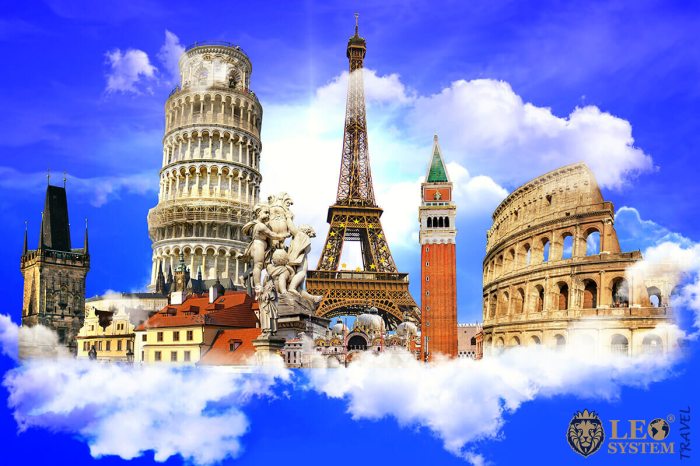
Sustainable and responsible cultural tourism is crucial for preserving Europe’s rich heritage and ensuring its enjoyment by future generations. It acknowledges that tourism, while beneficial economically, can have significant negative impacts if not managed carefully. Balancing the economic benefits with the preservation of cultural sites and the well-being of local communities is the core challenge.The unchecked growth of cultural tourism can lead to a range of detrimental effects.
Overcrowding at popular sites damages infrastructure, diminishes the visitor experience, and disrupts the daily lives of residents. The commodification of culture can lead to the erosion of authenticity, with traditional practices adapted for profit rather than genuine cultural expression. Environmental damage, from increased waste to habitat destruction, is another significant concern. Moreover, the influx of tourists can inflate local costs of living, potentially displacing long-term residents.
Negative Impacts of Cultural Tourism
The negative impacts of unsustainable cultural tourism are multifaceted and interconnected. Overtourism leads to physical deterioration of historical sites through increased wear and tear, pollution, and damage from crowds. The influx of tourists can also lead to a rise in the cost of living for local residents, making it difficult for them to afford housing and other necessities.
Furthermore, the increased demand for resources, such as water and energy, can strain local infrastructure and contribute to environmental degradation. The homogenization of cultural experiences, driven by the demands of mass tourism, can lead to a loss of authenticity and cultural diversity. Finally, the economic benefits of tourism are not always evenly distributed, often leading to economic inequalities within local communities.
Best Practices for Sustainable Cultural Tourism
Minimizing negative impacts and maximizing positive contributions requires a concerted effort from all stakeholders. Implementing sustainable practices is essential for ensuring the long-term viability of cultural tourism in Europe.
- Promote off-season travel: Encouraging tourism during shoulder seasons (spring and autumn) reduces pressure on popular destinations during peak times, easing overcrowding and strain on resources. This also benefits local businesses that may experience slower periods otherwise.
- Support locally owned businesses: Choosing to eat at locally owned restaurants, stay in family-run guesthouses, and purchase souvenirs from local artisans directly supports the local economy and helps preserve traditional crafts and practices. This fosters a more authentic and enriching visitor experience.
- Respect local customs and traditions: Visitors should make an effort to understand and respect local customs and traditions. This includes dressing appropriately for religious sites, being mindful of noise levels, and learning basic phrases in the local language. Such respectful behavior shows appreciation for the local culture and contributes to a positive visitor-host relationship.
- Minimize environmental impact: Tourists can contribute to environmental sustainability by reducing their carbon footprint through sustainable transportation options (e.g., public transport, cycling, walking), minimizing waste, and conserving water and energy. Supporting eco-friendly accommodations and tour operators also plays a vital role.
- Contribute to community development: Choosing tours that directly benefit local communities, such as those that employ local guides and support local charities, ensures that the economic benefits of tourism are shared more equitably. This fosters a stronger sense of partnership between tourists and local communities.
The Impact of Cultural Tours on Local Communities
Cultural tourism, while offering numerous benefits, significantly impacts the local communities hosting it. Understanding these impacts—both positive and negative—is crucial for developing sustainable and responsible tourism strategies that benefit all stakeholders. This section examines the economic, social, and cultural consequences of cultural tours in European communities, highlighting the role of tourism in heritage preservation while acknowledging potential challenges.
Cultural tours generate substantial economic activity in local communities. Direct revenue streams include spending on accommodation, food and beverage, entrance fees to sites and museums, guided tours, and souvenirs. Indirect benefits arise from increased employment opportunities in related sectors such as transportation, hospitality, and craft production. This injection of capital can stimulate local economies, revitalize historic areas, and improve infrastructure.
For example, the restoration of ancient Roman ruins in a small Italian town might be financed, in part, by the revenue generated from cultural tours focusing on that specific site, creating jobs for local artisans and construction workers. This, in turn, contributes to a more vibrant and economically stable community.
Economic Impacts of Cultural Tourism
The economic impact extends beyond immediate revenue generation. It fosters entrepreneurship, encouraging local businesses to develop products and services tailored to the needs of tourists. This can lead to diversification of the local economy, reducing reliance on traditional industries and creating more resilient communities. However, the distribution of economic benefits is not always equitable. Small, locally-owned businesses may struggle to compete with larger, multinational tourism companies, potentially leading to a concentration of wealth in the hands of a few.
Careful planning and policy interventions are therefore necessary to ensure that economic gains are shared broadly within the community.
Social Impacts of Cultural Tourism
Cultural tourism can have profound social impacts, both positive and negative. Increased tourism can lead to improved infrastructure, such as better roads, public transportation, and sanitation facilities, benefiting both residents and visitors. Furthermore, it can foster cross-cultural understanding and exchange, promoting tolerance and respect for diverse cultures. However, rapid tourism growth can also lead to overcrowding, strain on local resources, and social friction between residents and tourists.
For instance, increased rental costs in popular tourist destinations can displace long-term residents, altering the social fabric of the community.
Cultural Impacts of Cultural Tourism and Heritage Preservation
Cultural tours play a vital role in preserving and promoting local heritage. The revenue generated can be used to fund restoration projects, archaeological excavations, and the preservation of traditional crafts and cultural practices. Exposure to different cultures through tourism can also increase awareness and appreciation of local heritage among both tourists and residents, fostering a sense of pride and identity.
Conversely, uncontrolled tourism can lead to the commodification of culture, resulting in the erosion of authenticity and the displacement of traditional practices to cater to tourist expectations. For example, the performance of traditional dances might be altered to suit a shorter tourist timeframe, losing its original meaning and significance. Balancing the needs of tourism with the preservation of cultural integrity requires careful management and community involvement.
Challenges and Opportunities in the Growth of Cultural Tourism
The growth of cultural tourism presents both challenges and opportunities. Managing the environmental impact, ensuring the equitable distribution of economic benefits, and preserving cultural authenticity are crucial challenges. Opportunities lie in developing innovative tourism products and experiences that are both sustainable and culturally sensitive. Collaborations between local communities, tourism businesses, and government agencies are essential for navigating these challenges and capitalizing on the opportunities.
Successful strategies involve community participation in tourism planning, promoting responsible travel behavior among tourists, and investing in sustainable infrastructure and resources. For example, a community might develop a sustainable tourism plan that includes eco-friendly accommodations, limits the number of daily visitors to sensitive sites, and prioritizes local employment in the tourism sector.
Illustrative Examples of Cultural Tours
This section details three diverse cultural tours across Europe, highlighting the unique experiences and cultural insights they offer. Each tour showcases a different region and cultural focus, illustrating the breadth and depth of cultural tourism opportunities available. The itineraries are designed to provide immersive and respectful engagement with the local communities and heritage.
A Culinary and Cultural Journey Through Tuscany, Italy
This ten-day tour focuses on the rich culinary and artistic heritage of Tuscany. The itinerary combines cooking classes with visits to historical sites and vineyards, providing a comprehensive understanding of Tuscan culture.
Day 1-2: Arrival in Florence and exploration of the city’s Renaissance art, including the Uffizi Gallery and the Duomo. Participants enjoy a traditional Florentine dinner.Day 3-4: Cooking class in a Tuscan farmhouse, learning to prepare regional specialties. Visit to a local market to source fresh ingredients.Day 5-6: Wine tasting tour in the Chianti region, visiting vineyards and learning about winemaking techniques. Enjoy a wine pairing dinner.Day 7-8: Exploration of Siena and San Gimignano, experiencing the medieval architecture and charm of these hilltop towns.Day 9-10: Visit to a local artisan workshop, learning about traditional crafts. Departure from Florence.
This tour offers a unique cultural experience by blending practical culinary skills with historical and artistic exploration, providing a deeper understanding of Tuscan life and traditions. Participants gain firsthand experience in preparing authentic Tuscan dishes and appreciate the region’s artistic masterpieces alongside its vibrant culinary scene.
Exploring the History and Folklore of the Scottish Highlands
This seven-day tour explores the dramatic landscapes and rich folklore of the Scottish Highlands. The itinerary combines historical site visits with outdoor activities and encounters with local traditions.
Day 1-2: Arrival in Inverness and exploration of the city’s history and culture. Visit to Inverness Castle and the River Ness.Day 3-4: Journey through the Highlands, visiting Loch Ness and Urquhart Castle. Optional activities include a boat trip on Loch Ness and a hike in the surrounding hills.Day 5-6: Visit to a whisky distillery, learning about the whisky-making process and enjoying a tasting. Experience a traditional ceilidh (Scottish social gathering) with music and dancing.Day 7: Visit to a local museum showcasing Highland history and culture. Departure from Inverness.
This tour provides a unique cultural experience by immersing participants in the stunning natural beauty of the Highlands while exploring its rich history and folklore. The inclusion of a ceilidh and whisky distillery visit offers authentic cultural encounters, allowing participants to connect with the local community and traditions.
A Journey Through the Cultural Heart of Andalusia, Spain
This eight-day tour focuses on the vibrant culture and history of Andalusia, Southern Spain. The itinerary combines visits to historical sites with exploration of flamenco dance and Moorish architecture.
Day 1-2: Arrival in Seville and exploration of the city’s historical center, including the Alcázar Palace and the Seville Cathedral. Enjoy a tapas tour.Day 3-4: Flamenco dance lesson and performance in Seville. Visit to a local flamenco tablao.Day 5-6: Journey to Granada and exploration of the Alhambra Palace, a masterpiece of Moorish architecture. Visit to the Albaicín, the old Arab quarter.Day 7-8: Visit to Córdoba and exploration of the Mezquita-Cathedral, a unique blend of mosque and cathedral architecture. Departure from Seville.
This tour offers a unique cultural experience by immersing participants in the vibrant culture of Andalusia. The combination of historical site visits, flamenco dance lessons, and exploration of Moorish architecture provides a comprehensive understanding of the region’s rich and diverse cultural heritage. The tapas tour and flamenco performances offer engaging and authentic cultural interactions.
Ultimately, cultural tours in Europe provide an unparalleled opportunity for personal enrichment and cross-cultural understanding. By thoughtfully planning your journey and engaging responsibly with the communities you visit, you can contribute to the preservation of Europe’s vibrant cultural heritage while creating unforgettable memories. Whether you’re captivated by history, art, gastronomy, or music, Europe offers a diverse range of experiences to satisfy every traveler’s curiosity and thirst for discovery.
Embrace the adventure and embark on a journey that will transform your perspective and leave a lasting impact.
FAQ Corner
What’s the best time of year to take a cultural tour of Europe?
Shoulder seasons (spring and autumn) generally offer pleasant weather, fewer crowds, and potentially lower prices than peak summer months.
How much should I budget for a cultural tour in Europe?
Budget varies greatly depending on the tour length, destination, type of accommodation, and activities chosen. Research specific tours for accurate cost estimates.
Do I need a visa for a cultural tour in Europe?
Visa requirements depend on your nationality and the Schengen Area countries you plan to visit. Check visa regulations well in advance.
What are some essential items to pack for a cultural tour?
Comfortable walking shoes, adaptable clothing, a universal adapter, travel insurance, and a phrasebook are highly recommended.


