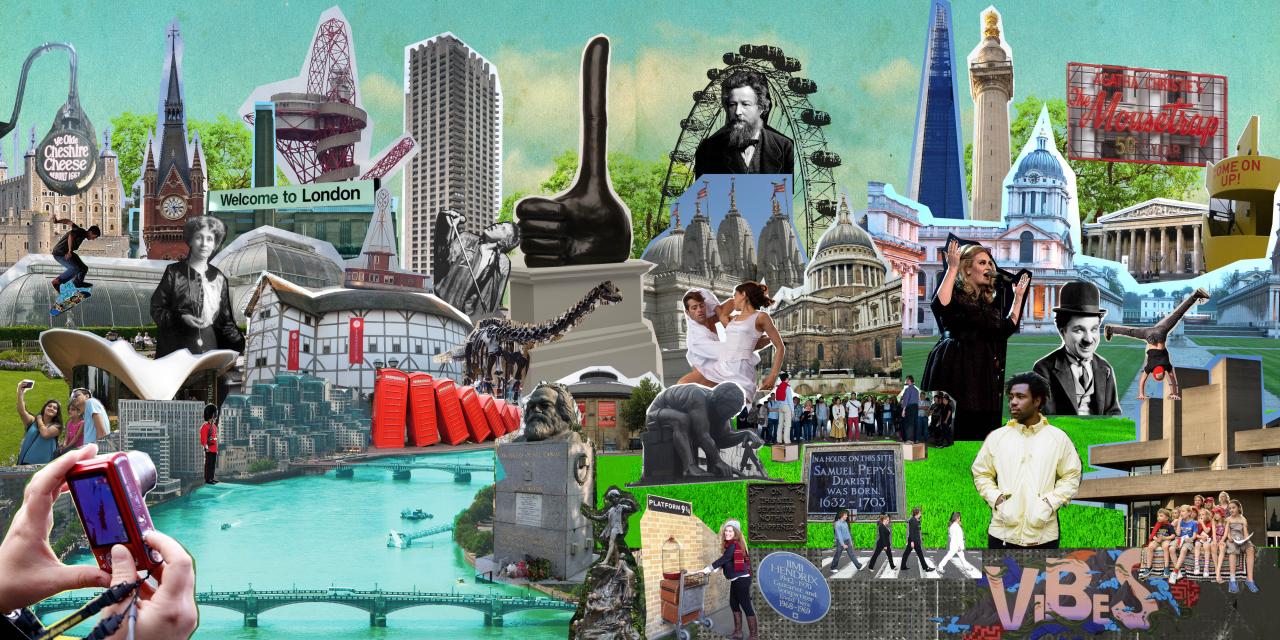
Cultural city tours offer a captivating blend of history, art, and local experiences, transforming a simple sightseeing trip into a deeply immersive journey. These tours cater to a diverse audience, from history buffs seeking ancient ruins to foodies eager to sample local delicacies. They provide a unique window into a city’s soul, revealing its hidden gems and vibrant cultural tapestry.
Beyond the standard sightseeing, cultural tours prioritize authentic interactions and insightful storytelling. They bridge the gap between tourist and resident, fostering a deeper appreciation for the city’s heritage and its people. This immersive approach leads to richer, more memorable travel experiences, leaving lasting impressions on both visitors and the communities they explore.
Defining “Cultural City Tours for Tourists”

Cultural city tours offer a unique and immersive way for travelers to experience the heart and soul of a destination. Unlike general sightseeing tours that may focus solely on landmarks, cultural city tours delve deeper, exploring the history, art, traditions, and local life that shape a city’s identity. They aim to provide a richer, more meaningful travel experience than simply ticking off tourist attractions.Cultural city tours are distinguished by their focus on providing authentic cultural experiences.
They move beyond the surface level, encouraging interaction with local communities, exploring hidden gems, and offering insights into the city’s evolution and unique character. This contrasts with other tourism types, such as adventure tourism (focused on physical activities), eco-tourism (focused on environmental sustainability), or culinary tourism (focused on food and drink), which may incorporate cultural elements but do not prioritize them as the central theme.
Target Audience for Cultural City Tours
The target audience for cultural city tours is diverse but shares a common interest in experiencing a destination’s culture authentically. This includes individuals and groups with varying ages, backgrounds, and travel styles. Demographics can range from young adults seeking unique travel experiences to retirees interested in learning about history and art. Their interests often include history, art, architecture, music, cuisine, local traditions, and crafts.
Travel styles can vary from independent explorers to those preferring guided tours, but the underlying motivation is a desire for a deeper, more meaningful understanding of the destination beyond typical tourist attractions. For example, a young adult might choose a street art walking tour in Berlin, while a retired couple might opt for a guided tour of historical sites in Rome.
Comparison of Different Cultural City Tour Types
The following table compares various types of cultural city tours, highlighting their differences in approach, target audience, and key features.
| Type | Description | Target Audience | Key Features |
|---|---|---|---|
| Walking Tours | Guided exploration of a city on foot, often focusing on a specific theme or neighborhood. | Individuals, couples, small groups; those who enjoy a more intimate and immersive experience. | In-depth exploration, personal interaction with guide, flexibility to deviate from the planned route. |
| Bus Tours | Guided tours using a bus to cover larger distances and multiple sites within a city. | Larger groups, families, individuals with mobility limitations; those who prefer a more comprehensive overview. | Efficient coverage of multiple locations, comfortable transportation, often includes commentary on historical and cultural aspects. |
| Themed Tours | Tours focusing on a specific theme, such as food, art, history, or architecture. | Individuals with specific interests; those seeking a specialized and focused experience. | In-depth exploration of a particular subject, opportunities for hands-on experiences (e.g., cooking class, art workshop). |
| Self-Guided Tours | Tours where individuals explore a city independently using maps, guidebooks, or apps. | Independent travelers, those who prefer flexibility and self-paced exploration. | Flexibility, freedom to explore at one’s own pace, cost-effectiveness. |
Marketing and Promotion of Cultural City Tours
Effectively marketing cultural city tours requires a multi-pronged approach leveraging both online and offline strategies to reach the target audience. A successful marketing campaign needs to highlight the unique experiences and cultural immersion offered, appealing to travelers seeking authentic and enriching travel experiences. This section details a digital marketing strategy and the crucial role of reviews and testimonials in building trust and driving bookings.
Digital Marketing Strategy for Cultural City Tours
Our hypothetical cultural city tour, “Hidden Gems of Seville,” will focus on a digital marketing strategy that emphasizes visual storytelling and engaging content. We’ll utilize several key channels:
- Social Media Marketing: Instagram and Facebook will be primary platforms, showcasing high-quality photos and videos of Seville’s architectural marvels, vibrant markets, and captivating flamenco performances. Instagram Stories and Reels will offer behind-the-scenes glimpses and interactive polls to engage followers. Facebook ads will target specific demographics interested in cultural travel and Spanish experiences. We’ll run targeted advertising campaigns focusing on interests like Spanish history, architecture, and flamenco dance.
- Search Engine Optimization (): Our website will be optimized for relevant s such as “Seville cultural tours,” “Seville walking tours,” and “flamenco experience Seville,” to ensure high search engine rankings. We’ll create informative blog posts about Seville’s history, culture, and hidden gems to attract organic traffic.
- Influencer Marketing: Collaborating with travel bloggers and influencers who specialize in cultural travel will provide authentic testimonials and reach a wider audience. We will send them on a complimentary tour in exchange for content creation.
- Email Marketing: Building an email list through website sign-ups and social media contests will allow us to directly communicate tour updates, special offers, and personalized recommendations to potential customers. Email marketing will include visually appealing newsletters and targeted promotions based on past interactions.
The Importance of Reviews and Testimonials
Positive reviews and testimonials are invaluable for building trust and credibility. They act as social proof, influencing potential customers’ purchasing decisions.
- Increased Bookings: Positive reviews directly correlate with higher booking rates. Potential customers are more likely to book a tour with numerous positive reviews.
- Enhanced Credibility: Authentic reviews from past customers build trust and establish the tour operator as reliable and reputable.
- Improved Search Engine Ranking: Positive online reviews can boost search engine rankings, making the tour more visible to potential customers.
- Addressing Concerns: Responding to both positive and negative reviews demonstrates transparency and customer care, further enhancing the brand’s image.
Promotional Brochure Design: Hidden Gems of Seville
Tagline: Uncover the Soul of Seville: An Immersive Cultural Journey.The brochure will feature a captivating cover image: a close-up shot of intricately tiled Sevillian architecture bathed in the warm glow of the setting sun. Inside, high-quality photographs will depict key tour highlights: a vibrant flamenco performance in a traditional tablao, a detailed shot of the Alcázar’s ornate courtyards, a bustling scene from the Mercado de Triana, and a picturesque view from the Giralda tower.
The text will highlight the tour’s unique selling points, such as small group sizes, expert local guides, and off-the-beaten-path experiences. A section will showcase testimonials from satisfied customers. The back cover will include booking information, contact details, and a QR code linking to the tour’s website. The overall design will be elegant and sophisticated, reflecting the rich cultural heritage of Seville.
The Cultural Tourist
Cultural tourism is a significant and growing sector of the travel industry, driven by a diverse group of individuals seeking enriching experiences beyond traditional leisure travel. Understanding the motivations, expectations, and behaviors of the cultural tourist is crucial for designing effective and impactful tours.The typical cultural tourist is motivated by a desire for authentic and immersive experiences. They are often well-educated, relatively affluent, and possess a strong interest in history, art, architecture, cuisine, and local traditions.
Their expectations extend beyond simply sightseeing; they seek meaningful interactions with local communities, a deeper understanding of the destination’s culture, and opportunities for personal growth and enrichment. Their travel behaviors often include longer stays at destinations, a preference for smaller, boutique accommodations, and a willingness to engage in activities that provide cultural immersion.
Motivations of Cultural Tourists
Cultural tourists are driven by a variety of factors. A primary motivation is the pursuit of knowledge and understanding. They are actively seeking to learn about different cultures, expand their horizons, and broaden their perspectives. Another key motivator is the desire for unique and authentic experiences. They seek to go beyond the typical tourist traps and engage with local communities and traditions in a meaningful way.
Finally, many cultural tourists are driven by a desire for personal enrichment and self-discovery. Travel provides them with opportunities for introspection, reflection, and a renewed sense of purpose.
Expectations of Cultural Tourists
Cultural tourists have high expectations for their travel experiences. They anticipate engaging with local communities in a respectful and authentic manner. They expect opportunities to learn about the local history, art, and traditions, often seeking guided tours or workshops that provide in-depth knowledge. Furthermore, they value high-quality accommodations and services that are in keeping with their desire for a refined and enriching travel experience.
They often prioritize sustainability and responsible travel practices, seeking to minimize their environmental impact and support local businesses.
Impact of Cultural Tourism
Cultural tourism has a significant impact on both tourists and host communities. Positive impacts for tourists include increased knowledge and understanding of different cultures, personal growth, and the creation of lasting memories. For host communities, cultural tourism can generate economic benefits through increased employment opportunities, revenue from tourism-related businesses, and the preservation of cultural heritage sites. However, negative impacts can also occur.
Over-tourism can lead to overcrowding, environmental damage, and the commodification of culture, potentially diluting the authenticity of local traditions. For tourists, negative impacts may include disappointment if expectations are not met, or a sense of cultural alienation if interactions with locals are superficial or exploitative.
Positive Interaction Scenario
Imagine a group of cultural tourists visiting a small village known for its traditional pottery. Instead of a typical, rushed demonstration, the tour operator arranges a hands-on workshop led by local artisans. Tourists participate in the entire process, from preparing the clay to glazing the finished product. They learn about the history of pottery in the village, the techniques passed down through generations, and the significance of the designs.
The interaction isn’t just transactional; it’s a genuine exchange of knowledge and skills, fostering a sense of connection and mutual respect. The tourists leave with not only beautiful souvenirs but also a deeper understanding and appreciation for the local culture, and the villagers benefit from the economic activity and the opportunity to share their heritage.
Ultimately, cultural city tours provide an invaluable service, enriching both the lives of tourists and the communities they visit. By fostering cross-cultural understanding and supporting local economies, these tours contribute to a more sustainable and vibrant tourism landscape. The focus on authentic experiences, coupled with effective marketing and passionate local guides, ensures that these tours remain a compelling and enriching option for discerning travelers seeking something beyond the ordinary.
Questions and Answers
How much do cultural city tours typically cost?
Prices vary widely depending on the tour length, included activities, and the city. Expect to pay anywhere from a few tens to several hundreds of dollars.
Are cultural city tours suitable for families with children?
Many cultural city tours cater to families, offering age-appropriate activities and engaging storytelling. However, it’s advisable to check the specific tour details before booking.
What should I wear on a cultural city tour?
Comfortable shoes are essential! Dress modestly, particularly when visiting religious sites. Check the weather forecast and pack accordingly.
Can I book a private cultural city tour?
Yes, many tour operators offer private tours for a more personalized experience. This allows for customization of the itinerary and pace.


