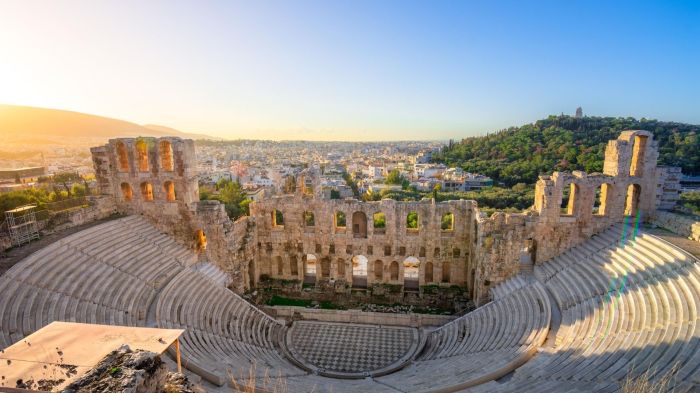
Journey through time and across cultures with an exploration of historical and cultural tours. These immersive experiences offer more than just sightseeing; they provide a window into the past, connecting travelers with significant events, artistic movements, and the vibrant tapestry of human civilization. From ancient ruins to bustling modern cities, these tours cater to a diverse range of interests and offer unique opportunities for personal growth and understanding.
This guide delves into the multifaceted world of historical and cultural tourism, examining its appeal, various types, and the crucial role of both the tour operator and the responsible traveler. We will explore effective design strategies, marketing techniques, and the significant economic impact of this enriching travel sector, ultimately aiming to provide a holistic perspective on this dynamic field.
The Appeal of Historical and Cultural Tours

The enduring popularity of historical and cultural tours stems from a deep-seated human desire to connect with the past, understand different cultures, and broaden personal perspectives. Travelers seek enriching experiences that go beyond simply visiting a new place; they crave immersion and a deeper understanding of the human story unfolding across time and geography. This desire fuels the growth of this specific niche within the tourism industry.The motivations behind choosing these tours are multifaceted.
Many tourists are driven by a thirst for knowledge, seeking to learn about significant historical events, architectural marvels, or artistic movements firsthand. Others are motivated by a desire for authentic cultural experiences, wanting to engage with local traditions, customs, and lifestyles. Still others are drawn to the unique opportunities for personal growth and self-discovery that travel provides, often fostering a sense of wonder and appreciation for the diversity of human experience.
Motivations of Tourists Choosing Historical and Cultural Tours
Tourists participating in historical and cultural tours are typically motivated by a combination of factors. Educational enrichment is a key driver, with many seeking to expand their knowledge base through guided exploration and expert interpretation of historical sites and cultural artifacts. The desire for immersive experiences, where they can actively engage with the culture and history, rather than passively observe it, is also significant.
Furthermore, many see these tours as opportunities for personal growth and broadening their worldview, fostering a greater understanding and appreciation for different cultures and perspectives. The social aspect also plays a role, with group tours providing a sense of community and shared experience. Finally, the pursuit of unique and memorable travel experiences, distinct from typical tourist destinations, is a major motivator.
Comparison of Historical and Cultural Tours
While often overlapping, historical and cultural tours have distinct focuses. Historical tours primarily emphasize significant events, figures, and periods in the past, often focusing on specific sites or locations directly related to those events. For example, a tour of ancient Roman ruins would focus on the architectural achievements, the political structures, and the daily life of the Roman Empire.
In contrast, cultural tours delve into the contemporary expressions of a society’s traditions, customs, beliefs, and artistic practices. A cultural tour might explore the culinary traditions of a region, visit local artisans’ workshops, or attend traditional performances. While a historical tour might visit a former royal palace, a cultural tour might focus on the contemporary uses of that same palace or the surrounding community’s relationship to it.
Both types offer unique insights but cater to different interests.
Examples of Successful Marketing Campaigns
Successful marketing campaigns for historical and cultural tours often highlight their unique selling points. For instance, a campaign for a tour of the Inca Trail to Machu Picchu might emphasize the unparalleled adventure and the opportunity to witness breathtaking scenery alongside the rich history of the Inca civilization. Visuals showcasing the majestic mountains and ancient ruins would be key elements.
Similarly, a campaign for a cultural tour of a specific region might focus on the immersive nature of the experience, highlighting opportunities to interact with local communities, learn traditional crafts, or participate in authentic cultural events. Using testimonials from past participants can also build trust and credibility. A successful campaign might also emphasize the expertise of the tour guides, showcasing their knowledge and ability to bring the history and culture to life.
The Role of the Cultural Tourist
Cultural tourism, a significant sector of the global travel industry, involves individuals traveling to experience the history, art, cuisine, and traditions of a particular place. Understanding the role of the cultural tourist is crucial for both the tourist and the destination, ensuring mutually beneficial and sustainable interactions. This section explores the typical profile of a cultural tourist, their impact on the preservation and development of cultural heritage, and their responsibilities in respecting local customs.The profile of a cultural tourist is multifaceted, but several common characteristics emerge.
Motivations often include a desire for authentic experiences, a thirst for knowledge and understanding of different cultures, and an appreciation for historical sites and artistic expressions. These individuals tend to be more discerning in their travel choices, prioritizing quality experiences over sheer quantity. Their spending habits reflect this, often favoring locally owned businesses, artisan crafts, and unique cultural events.
They’re typically more interested in immersion than simply ticking off sightseeing boxes on a checklist. This segment of the travel market often values sustainability and responsible travel practices. For example, a cultural tourist might choose to stay in a locally owned guesthouse rather than a large international hotel chain, contributing directly to the local economy.
Motivations and Expectations of Cultural Tourists
Cultural tourists are driven by a range of motivations, extending beyond simple leisure. Many seek personal enrichment through exposure to different cultures, hoping to broaden their understanding of the world and their place within it. Others are driven by a specific interest, such as a passion for historical architecture, a love of particular art forms, or a desire to trace their family history.
Their expectations often include authentic experiences, opportunities for interaction with locals, and a respectful and immersive environment that allows them to connect with the culture they are visiting. They often plan their trips meticulously, researching sites and activities in advance and seeking out opportunities for meaningful engagement with the local community. For instance, a tourist interested in ancient civilizations might choose to participate in an archaeological dig or visit a museum with a guided tour led by a local expert.
Impact on Preservation and Development
The impact of cultural tourists on historical sites and cultural traditions is significant and multifaceted. Responsible cultural tourism can generate substantial revenue for local communities, supporting the preservation of historical sites and the continuation of traditional practices. This revenue can be used for restoration projects, the training of local guides, and the development of cultural infrastructure. However, uncontrolled or irresponsible tourism can also lead to negative consequences, including damage to historical sites, the commodification of cultural traditions, and the displacement of local communities.
For example, the influx of tourists to a historically significant village might lead to increased pressure on resources, higher property values, and the displacement of long-term residents. Careful planning and management are essential to maximize the positive impacts and mitigate the negative ones.
Responsibilities of Cultural Tourists
Cultural tourists bear a significant responsibility in respecting local customs and traditions. Respectful behavior includes dressing modestly when visiting religious sites, learning basic phrases in the local language, being mindful of local customs and etiquette, and supporting local businesses. Disrespectful behavior, on the other hand, might include taking photos without permission, engaging in loud or disruptive behavior, or disrespecting religious sites or cultural practices.
For example, wearing revealing clothing in a conservative society or making fun of local customs are clearly disrespectful actions. A simple act of respecting local customs, such as removing shoes before entering a home or temple, demonstrates a deep level of respect and appreciation for the local culture. Responsible cultural tourism requires a commitment to mindful engagement and a conscious effort to minimize negative impacts while maximizing positive contributions to the host community.
Designing Effective Historical and Cultural Tours
Crafting compelling and successful historical and cultural tours requires careful planning and consideration of various factors. A well-designed tour not only educates and entertains but also respects the historical context and promotes sustainable tourism practices. This section will Artikel a step-by-step approach to tour design, emphasizing storytelling, interactivity, accessibility, and sustainability.
A Step-by-Step Guide to Itinerary Design
Developing a detailed itinerary is crucial for a successful tour. This involves a methodical approach encompassing research, logistical planning, and accessibility considerations. The process should prioritize the creation of a narrative arc that keeps participants engaged from start to finish.
- Theme Selection and Research: Begin by defining a clear theme and conducting thorough research on the historical and cultural aspects of the chosen location. This includes identifying key historical sites, significant events, and relevant cultural practices.
- Site Selection and Sequencing: Select sites that align with the tour’s theme and are geographically feasible. Sequence the sites logically, considering factors like travel time and the flow of the narrative. Prioritize accessibility by choosing sites with appropriate infrastructure for individuals with disabilities.
- Activity Planning: Plan engaging activities for each site. This could include guided walks, interactive workshops, demonstrations, or visits to museums. Ensure a balance between active and passive activities to cater to diverse preferences.
- Accessibility Considerations: Evaluate each site’s accessibility for individuals with disabilities. This includes considering wheelchair access, audio descriptions, and alternative formats for information. Ensure transportation is accessible as well.
- Sustainability Planning: Incorporate sustainable practices into the tour design. This could involve using public transportation, supporting local businesses, minimizing waste, and educating participants about environmental responsibility. Consider carbon offsetting strategies.
- Time Allocation and Scheduling: Allocate sufficient time for each activity, allowing for flexibility and potential delays. Create a realistic schedule that accounts for travel time between sites and provides adequate rest breaks.
- Cost Estimation: Estimate the costs associated with the tour, including transportation, entrance fees, guide fees, and materials. Develop a transparent pricing structure that reflects the value provided.
The Importance of Storytelling and Interactive Elements
Storytelling is paramount in bringing history and culture to life. Interactive elements enhance engagement and foster a deeper understanding of the subject matter. By combining compelling narratives with hands-on experiences, tours become more memorable and impactful.
For example, instead of simply describing a historical battle, a tour guide could incorporate a reenactment or a virtual reality experience to immerse participants in the event. Similarly, a visit to a traditional craft workshop allows participants to actively engage with the cultural practice, fostering a more meaningful connection.
Sample Itinerary: A Historical Walking Tour of Old Town, Prague
This sample itinerary Artikels a half-day walking tour focusing on the historical and cultural significance of Prague’s Old Town. It incorporates storytelling, interactive elements, and considers accessibility and sustainability.
| Time | Activity | Location | Estimated Cost | Accessibility Notes | Sustainability Considerations |
|---|---|---|---|---|---|
| 9:00 AM | Meeting Point & Introduction | Old Town Square | – | Wheelchair accessible | Public transport encouraged |
| 9:15 AM | Storytelling: Legends of Old Town Square | Old Town Square | – | Wheelchair accessible | – |
| 9:45 AM | Visit to the Astronomical Clock | Old Town Hall | €10 (entrance fee) | Limited wheelchair access; alternative viewing points available | – |
| 10:30 AM | Walk through the Jewish Quarter | Josefov | – | Mostly wheelchair accessible; some cobblestone streets | Support local businesses |
| 11:30 AM | Interactive Workshop: Traditional Czech Crafts | Local artisan workshop | €15 (workshop fee) | Wheelchair accessible | Supports local artisans |
| 12:30 PM | Lunch at a Traditional Czech Restaurant | Local restaurant | €20 (lunch cost) | Wheelchair accessible options available | Supports local businesses |
| 1:30 PM | Tour Conclusion | Old Town Square | – | Wheelchair accessible | – |
Total Estimated Cost (excluding personal expenses): €45
Marketing and Promotion of Historical and Cultural Tours
Successfully marketing and promoting historical and cultural tours requires a multifaceted approach, targeting diverse audiences with tailored messaging and utilizing a variety of media channels. Understanding the unique interests and preferences of different demographic groups is crucial for crafting effective campaigns that resonate and drive bookings.Effective marketing hinges on a clear understanding of the target audience and their motivations.
Different strategies will be needed to attract younger, adventure-seeking travelers compared to older, history-focused individuals. A well-defined marketing plan should Artikel specific goals, target audiences, chosen media, budget allocation, and measurable success metrics.
Targeting Different Audiences
Successful marketing requires segmenting the target audience. For example, younger travelers (18-35) might be drawn to interactive experiences, social media campaigns featuring influencer collaborations, and visually stunning imagery showcasing adventure and unique activities. Older travelers (55+), on the other hand, might prefer detailed itineraries, comfortable accommodations highlighted in marketing materials, and testimonials from previous participants emphasizing a relaxing and informative experience.
Families with children would require family-friendly activities and perhaps educational elements incorporated into the tour descriptions. Marketing materials should be tailored to each group’s specific interests and preferences.
Marketing Plan Incorporating Various Media Channels
A comprehensive marketing plan should leverage a mix of online and offline channels. A visually appealing and user-friendly website is essential, providing detailed tour information, booking options, and high-quality photography. Social media platforms like Instagram, Facebook, and TikTok can be used to share captivating visuals, behind-the-scenes glimpses, and engaging stories, fostering a sense of community and excitement. Targeted advertising on these platforms allows for precise audience reach.
Print brochures, distributed at travel agencies and tourist information centers, offer a tangible and lasting marketing tool, particularly appealing to older demographics. Email marketing can nurture leads and keep potential customers informed of upcoming tours and special offers. Collaborations with travel bloggers and influencers can significantly expand reach and credibility.
Examples of Compelling Visuals
Visuals are paramount in attracting potential tourists. Imagine a photograph: a breathtaking panoramic view of a historic castle bathed in the golden light of sunset, with silhouetted figures of tourists exploring its grounds. This evokes a sense of wonder and adventure. Another compelling image could depict a close-up shot of a meticulously preserved artifact, highlighting its intricate details and historical significance.
This appeals to a more scholarly interest. A video showcasing a lively cultural performance, filled with vibrant costumes and energetic music, could be used to attract those interested in experiencing local traditions. A series of images showcasing diverse activities, such as a cooking class, a guided walking tour through a charming old town, and a relaxing boat ride along a picturesque river, can highlight the multifaceted nature of the tour experience.
Exploring historical and cultural tours reveals a powerful synergy between the past and the present. These journeys not only enrich individual lives through exposure to diverse cultures and histories but also play a vital role in the preservation and economic development of communities worldwide. By understanding the motivations of cultural tourists, the intricacies of tour design, and the importance of responsible travel, we can ensure the continued growth and sustainability of this enriching sector, fostering deeper appreciation for the world’s rich heritage.
FAQ Overview
What is the average cost of a historical and cultural tour?
Costs vary significantly depending on the destination, duration, inclusions (accommodation, meals, transportation), and tour operator. Expect a wide range, from budget-friendly options to luxury experiences.
How do I choose the right tour for me?
Consider your interests (e.g., specific historical periods, art, architecture, food), budget, travel style (independent vs. group), desired level of activity, and preferred travel companions. Research tour operators and read reviews before booking.
What should I pack for a historical and cultural tour?
Comfortable walking shoes are essential. Pack versatile clothing appropriate for the climate and cultural norms of your destination. Don’t forget any necessary medications, travel documents, and a camera to capture your memories.
Are historical and cultural tours suitable for families?
Many tour operators offer family-friendly options, catering to different age groups. Look for tours with age-appropriate activities and engaging storytelling.


