
Art and culture travel tours offer a unique blend of exploration and enrichment, transcending typical tourism experiences. These journeys delve into the heart of a destination’s history, artistry, and cultural fabric, providing travelers with immersive encounters that extend beyond sightseeing. From exploring ancient ruins and vibrant art scenes to participating in local culinary traditions and attending cultural festivals, these tours cater to a diverse range of interests and travel styles.
This guide examines the key facets of art and culture travel tours, from defining their core characteristics and identifying their target audience to designing engaging itineraries and developing effective marketing strategies. We’ll explore the motivations and expectations of cultural tourists, delve into sustainable tourism practices, and address the challenges and opportunities within this dynamic sector.
Defining Art and Culture Travel Tours
Art and culture travel tours offer a unique blend of sightseeing and immersive experiences, focusing on the artistic, historical, and cultural heritage of a destination. Unlike general tourism, which might prioritize relaxation or adventure, these tours delve deeper, providing insightful engagement with the local context and its creative expressions. They aim to foster a richer understanding and appreciation of the destination beyond the typical tourist attractions.Art and culture tours are distinguished by their curated itineraries, which prioritize interaction with artistic and cultural elements.
This might involve expert-led guided tours of museums and historical sites, hands-on workshops showcasing local crafts, or intimate encounters with local artists and performers. The emphasis is on education and enrichment, encouraging travelers to actively participate in the cultural landscape.
Art and Culture Tour Themes
The diversity of art and culture is reflected in the wide array of tour themes available. These tours cater to diverse interests and offer a wealth of options for travelers.
- Historical Sites Tours: These tours often focus on exploring ancient ruins, historical buildings, and significant landmarks, providing historical context and interpretations. For example, a tour of Roman ruins in Italy might include discussions of Roman architecture, social structures, and daily life during that era.
- Culinary Experiences: These tours immerse travelers in the local food culture, encompassing cooking classes, market visits, wine tastings, and meals at traditional restaurants. A tour focused on Tuscan cuisine might involve learning to make pasta from scratch, visiting local vineyards, and enjoying a multi-course meal featuring regional specialties.
- Music Festivals and Performances: These tours coincide with music festivals or cultural performances, offering exclusive access to events and opportunities to interact with musicians and artists. A tour to a jazz festival in New Orleans could include backstage passes, workshops with renowned musicians, and exploration of the city’s rich musical heritage.
- Art Museum and Gallery Tours: These tours provide in-depth explorations of art museums and galleries, offering insights into artistic movements, techniques, and the lives of the artists. A tour of the Louvre in Paris could focus on specific periods in art history, allowing for a deeper understanding of masterpieces and their context.
Target Audience for Art and Culture Travel Tours
The target audience for art and culture tours is broad, encompassing individuals and groups with a shared interest in exploring and experiencing different cultures and artistic expressions. However, some demographic trends are observable.The typical traveler is often well-educated, with a higher-than-average disposable income, allowing for the investment in specialized travel experiences. They tend to be more mature travelers, often aged 35 and above, although younger travelers with specific artistic interests are also a significant segment.
Interests range from history and archaeology to gastronomy, music, and visual arts. Many are seeking enriching and educational experiences beyond typical vacation activities, prioritizing cultural immersion and personal growth. Furthermore, solo travelers, couples, and small groups are all common participants in these tours, highlighting the versatility of this niche market.
The Cultural Tourist
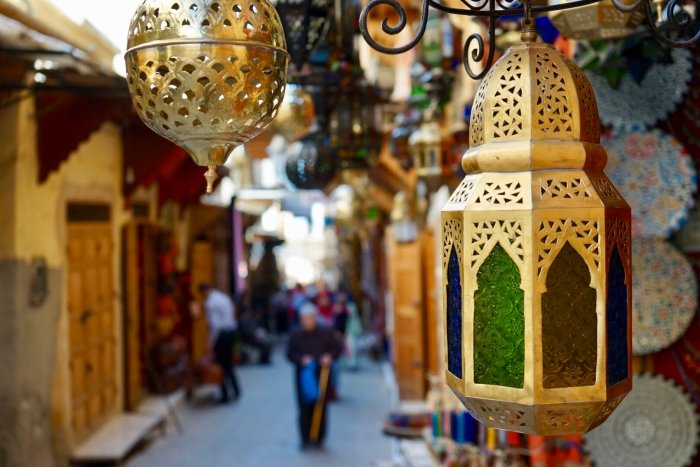
Understanding the cultural tourist is crucial for crafting effective and engaging travel experiences. This involves delving into their motivations, expectations, and preferences to create tailored itineraries that resonate deeply. By analyzing various segments within this broad category, we can better anticipate needs and deliver exceptional service.
Motivations and Expectations of the Cultural Tourist
Cultural tourists are driven by a desire to immerse themselves in the history, art, and traditions of a destination. They seek authentic experiences that go beyond typical tourist attractions, often prioritizing interaction with local communities and a deeper understanding of the culture. Their expectations range from experiencing world-class museums and historical sites to engaging in local customs, trying regional cuisine, and learning about the destination’s unique heritage.
They anticipate high-quality accommodations and transportation that align with their travel style, whether budget-friendly or luxurious.
Comparison of Cultural Tourist Segments
The cultural tourism market encompasses a diverse range of travelers with varying preferences and budgets. Backpackers, for example, prioritize affordability and often choose budget-friendly accommodations like hostels and guesthouses. Their itineraries are typically flexible, allowing for spontaneous exploration and interaction with locals. In contrast, luxury travelers seek high-end experiences, including five-star hotels, private tours, and exclusive access to cultural events.
Their itineraries are meticulously planned, often with pre-booked accommodations and guided tours. Both groups, however, share a common desire for authentic cultural immersion. Mid-range travelers fall between these extremes, balancing budget considerations with a desire for comfortable accommodations and enriching experiences.
Factors Influencing Destination Choices and Itinerary Preferences
Several key factors influence a cultural tourist’s destination choices and itinerary preferences. These include historical significance, artistic heritage, unique cultural traditions, accessibility, safety, and value for money. For example, a traveler interested in ancient history might choose to visit Rome or Athens, while someone passionate about contemporary art might prefer a trip to New York or Berlin. The availability of cultural events, festivals, and workshops also plays a significant role in shaping itinerary preferences.
Safety concerns and ease of travel, including visa requirements and transportation infrastructure, are also crucial considerations.
Hypothetical Profile of a Cultural Tourist
The following table illustrates a hypothetical profile of a cultural tourist, showcasing the diversity within this segment.
| Demographic | Travel Style | Interests | Motivations |
|---|---|---|---|
| Sarah Chen, 35 years old, Mid-level income | Independent traveler, prefers boutique hotels and local guesthouses. | Photography, history, culinary experiences, local crafts. | To experience authentic culture, learn about local traditions, and capture unique moments through photography. |
| John Smith, 60 years old, High income | Luxury travel, private tours, five-star hotels. | Classical music, fine art, historical architecture. | To immerse himself in high-culture experiences, enjoy comfort and convenience, and broaden his knowledge of art and history. |
| Maria Garcia, 22 years old, Budget traveler | Backpacking, hostels, budget airlines. | Street art, local music scenes, interacting with locals. | To experience different cultures firsthand, meet new people, and travel affordably. |
Tour Design and Itinerary Development
Crafting compelling art and culture tours requires meticulous planning and a deep understanding of the target audience’s interests. A well-designed itinerary balances structured sightseeing with opportunities for spontaneous discovery, ensuring a memorable and enriching experience. This involves careful consideration of logistics, cultural sensitivity, and the overall flow of the journey.
Sample 7-Day Art and Culture Tour Itinerary: Tuscany, Italy
This itinerary focuses on Tuscany, a region renowned for its artistic heritage, stunning landscapes, and culinary delights. The tour balances structured visits to key sites with opportunities for independent exploration and immersion in local life.
Day 1: Arrival in Florence & Renaissance Immersion: Arrive in Florence, check into your hotel, and embark on a walking tour of the city center, visiting the Duomo, Piazza della Signoria, and the Ponte Vecchio. Enjoy a traditional Florentine dinner.
Day 2: Uffizi Gallery & Accademia Gallery: Dedicate the day to exploring Florence’s world-renowned art museums. A guided tour of the Uffizi Gallery will showcase masterpieces of the Renaissance, followed by a visit to the Accademia Gallery to admire Michelangelo’s David.
Day 3: Tuscan Countryside & Medieval Siena: A day trip to the Tuscan countryside, visiting charming medieval towns like San Gimignano and Siena. Enjoy a wine tasting at a local vineyard and savor a traditional Tuscan lunch.
Day 4: Cooking Class & Local Market Visit: Participate in a hands-on cooking class, learning to prepare authentic Tuscan dishes. Visit a local market to source fresh ingredients and immerse yourself in the vibrant atmosphere.
Day 5: Exploring the Medici Chapels & Palazzo Pitti: Explore the opulent Medici Chapels, showcasing the grandeur of the Medici family. In the afternoon, visit the Palazzo Pitti, home to several museums, including the Gallery of Modern Art.
Day 6: Day Trip to Pisa & Lucca: A day trip to Pisa to see the Leaning Tower and explore the historic Piazza dei Miracoli. Continue to Lucca, a charming walled city, and enjoy a leisurely stroll along its picturesque streets.
Day 7: Departure from Florence: Enjoy a final Florentine breakfast before departing from Florence.
The Importance of Incorporating Local Experiences and Interactions
Meaningful interactions with local communities enrich the traveler’s experience and foster a deeper understanding of the region’s culture. Direct engagement with local artisans, farmers, and families provides authentic insights that cannot be obtained through standard sightseeing. This can involve participating in workshops, attending local festivals, or simply engaging in conversation with residents. Examples include attending a traditional music performance, visiting a local artisan’s workshop, or staying in a family-run guesthouse.
Sustainable and Responsible Tourism Practices in Art and Culture Tours
Sustainable tourism minimizes the negative impact on the environment and local communities while maximizing the benefits for both. This includes supporting local businesses, reducing carbon emissions, respecting local customs, and minimizing waste. Examples include using public transportation or walking whenever possible, choosing eco-friendly accommodations, and supporting local artisans and businesses. Prioritizing smaller, locally owned hotels and restaurants over large international chains is another key aspect.
Furthermore, encouraging responsible visitor behavior through clear guidelines and educational materials can significantly contribute to sustainability efforts.
Comparison of Different Tour Formats
Group tours offer a cost-effective way to experience a destination with the benefit of guided expertise. However, they may lack the flexibility and personalization of private tours. Private tours provide a tailored experience catering to individual preferences but come at a higher cost. Self-guided tours offer maximum flexibility but require more independent planning and research. The optimal format depends on individual preferences, budget, and travel style.
For instance, a group tour might be suitable for first-time travelers seeking a structured experience, while a private tour would be ideal for those seeking a more personalized and luxurious experience. Self-guided tours are best suited for experienced travelers who are comfortable planning their own itineraries and navigating unfamiliar locations.
Marketing and Promotion of Art and Culture Tours
Effective marketing is crucial for the success of any art and culture tour. A well-defined strategy, encompassing target audience identification, appropriate channel selection, and compelling messaging, is essential to attract the right clientele and generate bookings. This involves understanding the nuances of the art and culture tourism market and leveraging both traditional and digital marketing approaches.
Target Audience and Marketing Channels
Defining the target audience is the cornerstone of a successful marketing strategy. For example, a tour focusing on Renaissance art in Florence would likely target affluent adults aged 35-65 with an interest in history, art, and Italian culture. This demographic might be reached through channels such as print advertisements in travel magazines, partnerships with luxury hotels, and targeted online advertising on platforms frequented by art enthusiasts.
In contrast, a street art tour in Berlin might appeal to a younger demographic (18-35), drawn to urban culture and alternative art forms. This group could be reached effectively through social media marketing, collaborations with local influencers, and partnerships with hostels and independent travel agencies. A multi-pronged approach, employing a mix of traditional and digital marketing channels, is usually most effective.
Sample Marketing Materials
A well-designed brochure can be a powerful marketing tool. For a tour focused on the Impressionist painters in Paris, the brochure could feature high-quality images of Monet’s “Water Lilies” and Renoir’s “Bal du moulin de la Galette,” along with captivating descriptions that evoke the atmosphere of the period. The text might highlight the unique access to private collections or lesser-known museums, and emphasize the expertise of the tour guide.
The website content would expand on this, including detailed itineraries, customer testimonials, and high-resolution images of the artwork and locations. The unique selling points could be highlighted through clear and concise bullet points, emphasizing the exclusivity and educational value of the tour. For instance, a headline like “Unlock the Secrets of Impressionism: An Exclusive Tour of Parisian Masterpieces” immediately grabs attention.
Role of Online Platforms and Social Media
Online platforms and social media are indispensable for promoting art and culture tours. Websites serve as central hubs, providing detailed information and booking capabilities. Social media platforms, such as Instagram, Facebook, and Pinterest, offer opportunities to share visually appealing content, engage with potential customers, and build brand awareness. Utilizing targeted advertising on these platforms allows for precise audience segmentation and maximizes the reach of marketing efforts.
For example, a visually stunning Instagram post showcasing a detail from a famous painting, accompanied by a captivating caption describing its historical context and the tour experience, can generate significant interest.
Storytelling and Visual Elements in Marketing
Storytelling is a powerful tool for connecting with potential customers on an emotional level. Marketing materials should go beyond simply listing facts and figures; they should weave a narrative that transports the reader to the destination and immerses them in the cultural experience. Visual elements play a crucial role in this process. For a brochure showcasing a tour of ancient Mayan ruins in Mexico, the images should not just be pictures of the ruins; they should capture the grandeur of the architecture, the lushness of the surrounding jungle, and perhaps even the expressions on the faces of previous tour participants, conveying a sense of wonder and adventure.
For instance, a compelling visual description could read: “Imagine standing before the towering pyramid of Chichen Itza, the sun setting behind its majestic silhouette, casting long shadows that stretch across the ancient plaza. Feel the weight of history as you trace the intricate carvings on the temple walls, listening to your expert guide unravel the mysteries of this lost civilization.” This evokes a far more powerful response than a simple description of the physical structure.
Challenges and Opportunities in Art and Culture Tourism
The art and culture tourism sector, while vibrant and growing, faces a complex interplay of challenges and opportunities. Understanding these dynamics is crucial for stakeholders to develop effective strategies for sustainable growth and competitiveness in this increasingly dynamic market. This section will examine key challenges, emerging opportunities, the impact of technology, and strategies for navigating this evolving landscape.
Seasonality and Market Fluctuations
The art and culture tourism industry often experiences significant seasonality, with peak periods concentrated around holidays and favorable weather conditions. This leads to uneven revenue streams and operational challenges, requiring careful resource management throughout the year. For example, museums in colder climates might see a dramatic drop in visitors during winter months, necessitating strategies to attract visitors during off-peak seasons, such as targeted marketing campaigns or the introduction of special events.
Competition from other destinations and forms of tourism also contributes to market fluctuations. Successful operators must develop robust strategies to mitigate the impact of these factors.
Sustainability and Responsible Tourism
Balancing the economic benefits of art and culture tourism with environmental protection and cultural preservation is a critical challenge. Over-tourism can damage historical sites, strain local infrastructure, and negatively impact the very cultural heritage that attracts visitors. Sustainable practices, such as responsible waste management, the use of eco-friendly transportation, and community engagement initiatives, are essential for long-term viability. For instance, initiatives promoting slow travel, encouraging visitors to stay longer in fewer locations, and supporting locally-owned businesses contribute to more sustainable tourism practices.
This commitment to responsible tourism enhances the visitor experience while preserving the destination’s integrity.
Technological Disruption and Innovation
Technology is profoundly reshaping the art and culture tourism landscape. Digital platforms offer opportunities for online booking, virtual tours, and personalized travel experiences. However, they also present challenges, such as the need for digital literacy among tourism providers and the potential for online scams. The rise of augmented reality (AR) and virtual reality (VR) technologies, for example, allows for immersive experiences that enhance visitor engagement and understanding of cultural heritage.
Imagine a museum utilizing AR to overlay historical information onto artifacts, bringing them to life for visitors. Conversely, the reliance on technology necessitates robust cybersecurity measures and strategies to ensure data privacy and operational reliability.
Experiential Travel and Niche Markets
The increasing demand for authentic and personalized travel experiences presents a significant opportunity for art and culture tourism. Instead of simply visiting iconic landmarks, travelers seek immersive experiences that allow them to connect with local cultures and engage with art in meaningful ways. This trend has spurred the growth of niche markets, such as culinary tourism, art workshops, and heritage walking tours.
For instance, a tour focusing on the traditional craft of pottery-making in a specific region could offer a unique and engaging experience that appeals to a targeted segment of travelers. This approach allows for differentiation and increased profitability compared to more generic tour offerings.
Strategies for Success
Overcoming the challenges and capitalizing on the opportunities in art and culture tourism requires a multifaceted approach. Diversification of offerings, strategic partnerships with local communities, and investment in technology are crucial. Developing robust marketing strategies that target specific niche markets, promoting sustainable practices, and ensuring accessibility for all visitors are also vital. Furthermore, fostering collaboration between tourism businesses, cultural institutions, and government agencies is essential for creating a cohesive and sustainable tourism ecosystem.
A strong focus on building brand loyalty through exceptional customer service and providing memorable experiences are essential components of a successful strategy.
Ultimately, the success of art and culture travel tours hinges on a delicate balance between authentic cultural immersion and responsible tourism practices. By understanding the motivations of cultural tourists, designing thoughtful itineraries, and employing effective marketing strategies, tour operators can create truly enriching experiences that benefit both travelers and the communities they visit. The future of this sector lies in embracing innovation, sustainability, and a deep respect for the cultural heritage being showcased.
User Queries
What is the average cost of an art and culture tour?
Costs vary greatly depending on the destination, duration, tour type (private vs. group), and level of luxury. Expect prices to range from budget-friendly options to high-end luxury experiences.
What type of visa do I need for an art and culture tour?
Visa requirements depend entirely on your nationality and the destination country. Check the specific visa regulations of the country you plan to visit well in advance of your trip.
Are art and culture tours suitable for solo travelers?
Absolutely! Many art and culture tours cater to solo travelers, offering opportunities to meet like-minded individuals and enjoy independent exploration alongside guided activities.
What if I have accessibility needs?
It’s crucial to inform the tour operator of any accessibility needs beforehand. Many reputable companies are equipped to accommodate various needs, but advance notice ensures proper arrangements can be made.


