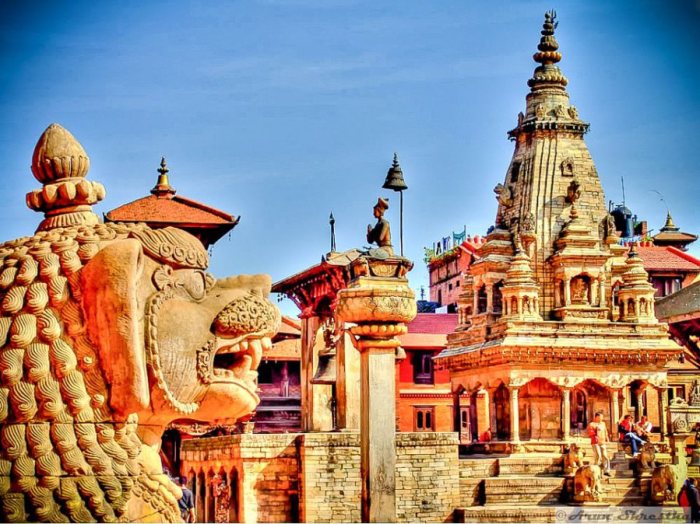
Cultural heritage tours offer a unique blend of travel and education, allowing individuals to delve into the rich tapestry of human history, art, and traditions. These tours go beyond simple sightseeing, providing immersive experiences that foster a deeper understanding and appreciation of diverse cultures. From ancient ruins to vibrant culinary scenes, these journeys connect travelers with the past, present, and future of various communities.
This exploration will examine the multifaceted nature of cultural heritage tourism, encompassing its definition, impact on local communities, effective marketing strategies, and the creation of engaging tour experiences. We’ll also consider the motivations of cultural tourists, their expectations, and the future trajectory of this vital sector.
Defining Cultural Heritage Tours
Cultural heritage tours offer a unique travel experience, focusing on the exploration and appreciation of a destination’s tangible and intangible cultural assets. Unlike general tourism, which may prioritize relaxation or adventure, cultural heritage tours actively engage participants in learning about the history, traditions, and significance of a place. They provide a deeper understanding and connection with the destination, going beyond superficial sightseeing.Cultural heritage tours aim to provide an immersive and educational experience, fostering a respect for diverse cultures and promoting the preservation of heritage sites.
This distinguishes them from other forms of tourism that may prioritize leisure activities or simply the visual appeal of a location.
Key Elements of a Successful Cultural Heritage Tour
Several key elements contribute to a successful cultural heritage tour. These include meticulous planning, engaging storytelling, expert guides, interactive activities, and a focus on authenticity. Careful selection of sites and activities is crucial to ensure the tour aligns with the chosen theme and appeals to the target audience. The quality of the guides significantly impacts the visitor experience; knowledgeable and passionate guides can bring history to life, making the tour more memorable and impactful.
Interactive elements, such as workshops or hands-on activities, further enhance engagement and learning. Finally, the tour should strive for authenticity, ensuring that the presented information and experiences are genuine reflections of the local culture.
Types of Cultural Heritage Tours
Cultural heritage tours encompass a broad spectrum of experiences, catering to diverse interests. Historical tours focus on exploring significant historical sites and events, often incorporating visits to museums, ancient ruins, and battlefields. Culinary tours delve into the local gastronomy, offering opportunities to sample traditional dishes, learn about local ingredients, and participate in cooking classes. Artistic tours concentrate on the visual arts, with visits to art galleries, studios, and historical buildings showcasing significant artistic achievements.
Religious tours explore places of religious significance, including temples, churches, mosques, and pilgrimage sites, offering insights into religious beliefs and practices.
Comparison of Cultural Heritage Tour Styles
The following table compares and contrasts various cultural heritage tour styles:
| Location | Focus | Activities | Target Audience |
|---|---|---|---|
| Ancient Rome, Italy | Historical (Roman Empire) | Guided walking tours of the Colosseum and Roman Forum, visits to museums showcasing Roman artifacts | History enthusiasts, students, families |
| Kyoto, Japan | Cultural (Traditional Japanese Arts) | Tea ceremony participation, calligraphy workshop, visit to a traditional garden, kimono fitting | Culture enthusiasts, art lovers, those interested in Japanese culture |
| Tuscany, Italy | Culinary (Italian Cuisine) | Wine tasting at vineyards, cooking class focusing on regional specialties, visits to local markets | Foodies, wine lovers, those interested in Italian gastronomy |
| Jerusalem, Israel | Religious (Three Abrahamic Religions) | Visits to significant religious sites such as the Western Wall, Church of the Holy Sepulchre, Dome of the Rock | Religious pilgrims, those interested in comparative religion, history enthusiasts |
The Cultural Tourist

Understanding the cultural tourist is crucial for designing effective and enriching heritage tours. These individuals are driven by a diverse range of motivations and hold specific expectations that shape their travel experiences. Analyzing these aspects allows tour operators to cater to their needs and foster a deeper appreciation for the cultural heritage being showcased.
The profile of a cultural tourist is multifaceted, encompassing a broad spectrum of age, socioeconomic background, and travel experience. While there’s no single “typical” cultural tourist, common threads often emerge. Many are well-educated, possessing a genuine interest in history, art, architecture, and local traditions. They tend to be active participants in their travel, seeking immersive experiences rather than superficial sightseeing.
They are often independent travelers or join smaller, specialized tour groups, prioritizing quality over quantity.
Motivations for Cultural Heritage Tourism
The primary drivers for participation in cultural heritage tours are multifaceted, often intertwining personal enrichment, intellectual curiosity, and a desire for authentic experiences. Many seek to broaden their understanding of different cultures, gaining insights into the history, customs, and beliefs of other societies. Others are motivated by a passion for specific artistic movements, historical periods, or architectural styles, seeking to witness these firsthand.
A significant portion also value the opportunity to connect with local communities, engaging in meaningful interactions and gaining a deeper appreciation for the human element of cultural heritage. For some, it’s about escaping routine and seeking unique and memorable experiences.
Expectations of Cultural Heritage Tours
Cultural tourists have high expectations regarding the quality and authenticity of their tour experiences. They expect well-researched itineraries that delve into the historical and cultural significance of the sites visited. Accurate and engaging interpretations by knowledgeable guides are highly valued, as are opportunities for interaction with local communities and artisans. Many seek immersive experiences, going beyond simply observing and engaging more directly with the culture through participation in local traditions or workshops.
Comfortable and safe accommodations, efficient transportation, and well-organized logistics are also important considerations. For instance, a tour of ancient Roman ruins might be expected to include not only a guided walk through the site, but also a discussion of the social and political context of the empire, perhaps even a tasting of traditional Roman food.
Impact on Understanding and Appreciation of Cultures
Well-designed cultural heritage tours significantly impact tourists’ understanding and appreciation of different cultures. By providing firsthand exposure to historical sites, cultural artifacts, and local traditions, these tours challenge preconceived notions and promote empathy and cross-cultural understanding. The opportunity to interact with local communities fosters personal connections, leading to a more nuanced and authentic understanding of the culture. For example, a tour focusing on indigenous art might include a workshop with a local artist, allowing participants to learn traditional techniques and gain a deeper appreciation for the cultural significance of the artwork.
The experience moves beyond passive observation, fostering active engagement and a lasting appreciation for the richness and diversity of human cultures.
Designing Engaging Cultural Heritage Tour Experiences
Crafting compelling cultural heritage tours requires a thoughtful approach to itinerary design, interactive elements, storytelling, and visual presentation. A successful tour seamlessly blends historical facts with engaging experiences, leaving a lasting impression on participants. The goal is not simply to present information, but to evoke emotion, stimulate curiosity, and foster a deeper understanding and appreciation of the cultural heritage being explored.
Sample Cultural Heritage Tour Itinerary: A Journey Through Ancient Rome
This itinerary focuses on a three-day tour exploring the historical heart of Rome, Italy. The itinerary balances iconic landmarks with lesser-known sites, offering a well-rounded experience.
Day 1: Imperial Grandeur
Morning: Colosseum and Roman Forum – Guided walking tour exploring the architecture and history of these iconic structures. Participants will learn about gladiatorial combats, political life, and daily life in ancient Rome. The guide will use visual aids, such as 3D models and reconstructions, to enhance understanding.
Afternoon: Palatine Hill – A visit to one of the seven hills of Rome, offering panoramic views of the city and a chance to explore the ruins of ancient palaces and temples. A short presentation on the mythology and legends associated with Palatine Hill will be provided.
Evening: Traditional Roman dinner – An opportunity to sample authentic Roman cuisine and experience the vibrant atmosphere of a local trattoria.
Day 2: Vatican City and Artistic Treasures
Morning: Vatican City – A guided tour of St. Peter’s Basilica and the Vatican Museums, including the Sistine Chapel. Focus will be on the art and architecture, highlighting the significance of these masterpieces within the context of the Catholic Church and Renaissance art.
Afternoon: Castel Sant’Angelo – Exploration of this ancient mausoleum, later transformed into a fortress, offering stunning views of the Tiber River and the city. A short film depicting the castle’s history and transformations will be shown.
Evening: Free time for exploring the charming Trastevere neighborhood.
Day 3: Hidden Gems and Baroque Beauty
Morning: Pantheon and Piazza Navona – A visit to these architectural wonders, exploring their history and significance. The tour guide will discuss the engineering marvels of the Pantheon and the artistic elements of Piazza Navona.
Afternoon: Borghese Gallery and Gardens – A guided tour of the gallery, showcasing masterpieces of Bernini, Caravaggio, and Raphael. The tour will focus on the artistic styles and historical context of the works.
Evening: Farewell dinner with a view – A final dinner offering a panoramic view of Rome, providing a memorable conclusion to the tour.
Interactive Elements for Enhanced Tourist Experience
Interactive elements can significantly enhance engagement and create a more memorable experience. Examples include:
Utilizing augmented reality (AR) apps to overlay digital information onto real-world locations, such as showing 3D reconstructions of ancient buildings or providing historical context through interactive maps. For instance, an AR app could superimpose a digital model of the Colosseum as it appeared in ancient times onto the existing structure.
Organizing interactive workshops or hands-on activities, such as a pottery-making session inspired by ancient Roman techniques, or a calligraphy workshop based on Roman lettering styles. These activities allow participants to actively engage with the cultural heritage, creating a deeper connection.
Incorporating quizzes or games throughout the tour to test knowledge and encourage active participation. For example, a scavenger hunt based on historical clues could be incorporated into the Roman Forum tour, encouraging exploration and discovery.
Incorporating Storytelling and Local Perspectives
Storytelling is crucial for bringing history to life and making it relatable. This involves:
Weaving narratives into the tour, moving beyond factual information to share anecdotes, legends, and personal stories connected to the sites visited. For instance, recounting stories of gladiators or emperors, or sharing the perspectives of ordinary Romans who lived in the city centuries ago.
Involving local guides and experts who can share their personal knowledge and perspectives on the cultural heritage. This offers authenticity and a more nuanced understanding of the sites and their significance to the local community. A local historian, for example, could provide insights into the evolution of Roman cuisine or the social dynamics of ancient Rome.
Encouraging interaction and discussion among participants, creating a sense of community and shared learning. This can be achieved through guided discussions, question-and-answer sessions, or group activities related to the cultural heritage.
Visually Appealing Presentation of a Cultural Heritage Tour
A visually compelling presentation is essential for attracting potential participants and conveying the tour’s essence.
Image 1: A panoramic view of the Roman Forum at sunset. The image should showcase the grandeur of the ruins, bathed in the warm glow of the setting sun, creating a sense of history and mystery. The image’s composition should emphasize the scale and beauty of the site.
Image 2: A close-up shot of a beautifully preserved mosaic in a Roman villa. The image should highlight the intricate detail and artistry of the mosaic, showcasing the skill and craftsmanship of ancient Roman artisans. The vibrant colors and patterns should be clearly visible.
Image 3: A group of tourists actively participating in a pottery-making workshop. This image should convey the interactive and engaging nature of the tour, showcasing participants’ active involvement and enjoyment. The image should capture the enthusiasm and collaborative spirit of the activity.
Image 4: A local Roman guide sharing a story with a group of tourists in front of the Colosseum. The image should portray the authenticity and personal connection that a local guide brings to the tour, emphasizing the importance of storytelling and local perspectives. The expression on the guide’s face and the engaged expressions of the tourists should be evident.
Ultimately, the success of cultural heritage tours hinges on a delicate balance between economic benefits for local communities and the preservation of invaluable cultural assets. By embracing sustainable practices, fostering authentic experiences, and employing innovative marketing techniques, we can ensure that cultural heritage tourism continues to thrive, enriching both travelers and the communities they visit for generations to come. The future of cultural heritage tourism lies in responsible exploration and mindful preservation.
Expert Answers
What’s the difference between a cultural heritage tour and a regular sightseeing tour?
Cultural heritage tours focus on the history, traditions, and cultural significance of a place, offering deeper engagement than typical sightseeing, which often prioritizes iconic landmarks.
How much do cultural heritage tours typically cost?
Costs vary widely depending on the destination, duration, activities included, and the tour operator. Expect a range from budget-friendly options to luxury experiences.
Are cultural heritage tours suitable for families with children?
Many are, though it depends on the specific tour and the ages of the children. Look for tours designed with families in mind or contact the operator to discuss suitability.
What should I pack for a cultural heritage tour?
Comfortable walking shoes are essential. Consider the climate and pack accordingly, and research any specific clothing requirements for visiting religious sites or cultural landmarks.


