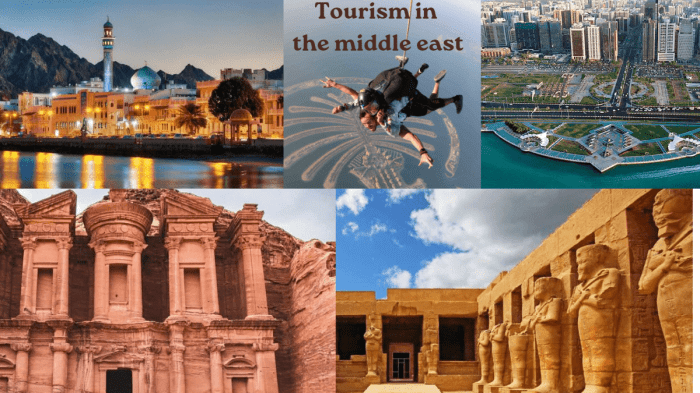
Embark on a captivating journey through the diverse tapestry of the Middle East, where ancient history intertwines with vibrant modernity. Cultural tours in this region offer an unparalleled opportunity to explore a rich heritage, from the majestic pyramids of Egypt to the bustling souks of Marrakech. This exploration delves into the unique experiences, popular destinations, and cultural nuances that make Middle Eastern cultural tourism so compelling.
From the breathtaking architecture of Petra to the captivating sounds of traditional music, the Middle East presents a sensory feast for the traveler. This guide will illuminate the various facets of cultural tourism, examining popular destinations, the typical tourist profile, the challenges and opportunities within the industry, and the impact on local communities. We’ll also explore effective marketing strategies and provide illustrative examples of unforgettable cultural encounters.
Defining Cultural Tours in the Middle East
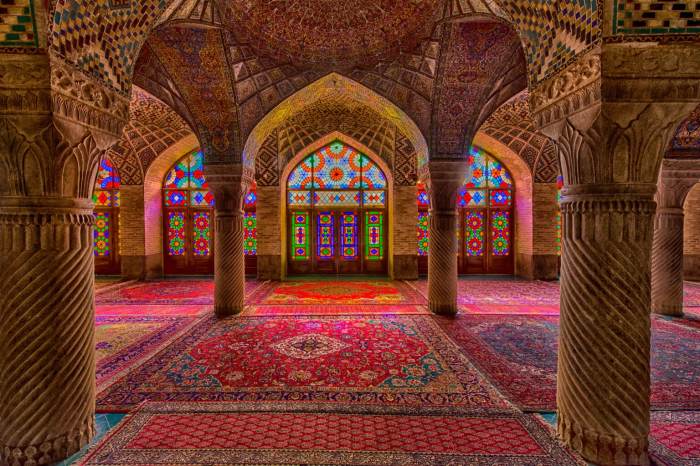
Cultural tours in the Middle East offer a captivating journey through a region rich in history, tradition, and diversity. These experiences go beyond typical sightseeing, providing immersive encounters with the vibrant tapestry of Middle Eastern cultures. They delve into the region’s unique blend of ancient civilizations, Islamic heritage, and modern influences, creating unforgettable memories for travelers.The key characteristics distinguishing Middle Eastern cultural tours are their emphasis on authenticity, local engagement, and a deep understanding of the region’s complex history and social fabric.
Unlike generic sightseeing tours, these experiences often involve interactions with local communities, visits to lesser-known sites, and opportunities to learn about traditional crafts, customs, and beliefs. The focus is on fostering cultural sensitivity and appreciation rather than just ticking off tourist hotspots.
Types of Middle Eastern Cultural Tours
Middle Eastern cultural tours encompass a broad spectrum of experiences, catering to diverse interests and preferences. The following table showcases some examples of these diverse offerings.
| Historical Tours | Culinary Tours | Religious Tours | Desert Adventure Tours |
|---|---|---|---|
| Exploring ancient Mesopotamian sites like Babylon and Ur in Iraq, or the Petra archaeological site in Jordan. These tours often include visits to museums showcasing artifacts and historical relics, providing insights into the region’s long and influential past. Guides provide historical context and interpret the significance of the sites, enriching the visitor’s understanding. | These tours immerse participants in the diverse culinary landscape of the Middle East, from traditional markets brimming with spices and ingredients to hands-on cooking classes featuring local dishes. They offer opportunities to taste regional specialties, learn about culinary traditions, and understand the role of food in Middle Eastern culture. A tour might include a visit to a date farm in the UAE or a spice market in Marrakech, Morocco. | These tours focus on significant religious sites, such as mosques, churches, and synagogues, providing insight into the region’s rich religious history and the role of faith in shaping its culture. Guided tours of Jerusalem’s Old City, showcasing sacred sites for Judaism, Christianity, and Islam, are prime examples. These tours typically include discussions of religious beliefs and practices within their historical and cultural context. | These tours offer an exhilarating experience exploring the vast deserts of the Middle East, such as the Arabian Desert or the Sahara Desert. Activities often include camel riding, dune bashing in 4×4 vehicles, and overnight stays in traditional desert camps under the stars. These tours combine adventure with cultural immersion, often including interactions with Bedouin communities and learning about their nomadic lifestyle and traditions. |
The Cultural Tourist Profile
Understanding the typical cultural tourist visiting the Middle East is crucial for tailoring effective tourism strategies and enhancing visitor experiences. This involves examining their motivations, expectations, demographics, and travel styles to create targeted offerings and ensure a positive and enriching journey.The cultural tourist visiting the Middle East is a diverse individual, but certain characteristics tend to emerge. They are typically driven by a genuine interest in exploring different cultures, histories, and traditions, going beyond typical beach vacations or sightseeing tours.
Their expectations encompass authentic experiences, opportunities for interaction with local communities, and a deeper understanding of the region’s rich heritage.
Motivations and Expectations of Cultural Tourists
Cultural tourists visiting the Middle East are primarily motivated by a desire for authentic cultural immersion. This includes exploring historical sites, engaging with local arts and crafts, experiencing traditional cuisine, and interacting with local communities. They are often seeking a transformative travel experience that broadens their perspectives and provides a deeper understanding of a different way of life. Their expectations typically include well-organized tours with knowledgeable guides, access to historical and cultural sites, opportunities for interaction with local people, and comfortable, yet authentic accommodations that reflect the local culture.
They are often less concerned with luxury amenities and more focused on meaningful experiences.
Demographics of Cultural Tourists
While the demographic profile varies, cultural tourists to the Middle East tend to skew towards higher education levels and disposable incomes. They are often older adults (35-65 years old), though younger travellers with a strong interest in history and culture are also a growing segment. The group includes both solo travelers and couples, as well as families and small groups of friends.
A significant portion are repeat travelers, indicating a high level of satisfaction and a desire for further exploration within the region. There is also a growing segment of independent travelers who prefer to design their own itineraries and experiences, rather than relying solely on organized tours.
Hypothetical Profile of a Cultural Tourist
Let’s consider Sarah, a 48-year-old history professor from Canada. Sarah is highly educated and has a keen interest in ancient civilizations and Islamic art. She values authentic experiences and prefers to stay in boutique hotels or guesthouses that reflect local character. Her travel style is a blend of independent exploration and guided tours. She might spend a morning exploring a historical site independently, then join a guided walking tour in the afternoon to learn more about the local culture and history from an expert.
Sarah is interested in interacting with local artisans, attending cultural performances, and trying traditional cuisine. She prioritizes meaningful interactions and learning opportunities over luxurious amenities. She is likely to document her experiences through photography and journaling, sharing her insights with friends and colleagues upon her return. Sarah represents a typical profile of the cultural tourist in the Middle East: curious, engaged, and seeking a deeper understanding of the region’s rich tapestry.
Experiencing cultural tours in the Middle East is more than just sightseeing; it’s an immersion into a vibrant world of history, tradition, and hospitality. This exploration has highlighted the immense diversity of the region, the unique experiences it offers, and the crucial role of sustainable tourism practices in preserving its rich heritage for generations to come. By understanding the challenges and opportunities within this sector, we can work towards a future where cultural tourism contributes positively to the economic and social well-being of local communities, while safeguarding the irreplaceable cultural treasures of the Middle East.
Questions Often Asked
What is the best time of year to visit the Middle East for cultural tours?
The ideal time varies by location. Spring (March-May) and autumn (September-November) generally offer pleasant temperatures in most areas.
What kind of clothing is appropriate for cultural tours in the Middle East?
Modest dress is generally recommended, especially when visiting religious sites. Loose, comfortable clothing that covers shoulders and knees is advisable for both men and women.
Are there any language barriers to overcome?
Arabic is widely spoken, but English is also commonly understood in tourist areas. Hiring a local guide can significantly enhance your experience.
What are the visa requirements for visiting the Middle East?
Visa requirements vary greatly depending on your nationality and the specific country you plan to visit. Check with the relevant embassy or consulate well in advance of your trip.


