
Cultural immersion tours offer a unique travel experience, transcending the typical sightseeing trip. Instead of simply observing, these tours actively engage participants in the local culture, fostering deeper understanding and appreciation. Through hands-on activities, interactions with locals, and exploration of authentic traditions, travelers gain a richer perspective than traditional tourism allows. This deeper engagement promotes personal growth and a broadened worldview.
From culinary adventures in Tuscany to historical explorations in ancient cities, the possibilities are vast and varied. Whether you’re a solo traveler seeking self-discovery, a family aiming for shared experiences, or a group looking for a cohesive journey, a cultural immersion tour can provide a transformative and memorable adventure. The focus is on authentic interaction and genuine connection, creating experiences that resonate long after the journey ends.
Defining Cultural Immersion Tours
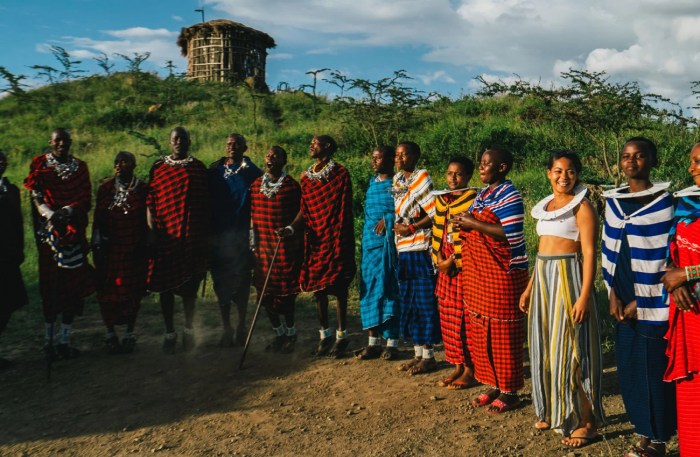
Cultural immersion tours offer a travel experience that goes far beyond the typical sightseeing trip. Instead of simply observing a culture from a distance, these tours actively engage participants, fostering a deeper understanding and appreciation of the local way of life. The focus is on authentic interaction and personal growth, creating memories that are both enriching and transformative.Cultural immersion tours are characterized by their emphasis on genuine interaction with the local community.
Unlike traditional tours that primarily focus on historical sites and popular attractions, immersion tours prioritize meaningful engagement with the local culture. This involves participating in daily life activities, learning local customs and traditions, and building relationships with local people. The goal is to gain a firsthand understanding of the culture, not just observe it from the outside.
Activities Commonly Included in Cultural Immersion Tours
Immersion tours often include a range of activities designed to facilitate interaction with the local culture. These activities are carefully selected to provide a holistic and authentic experience.
Examples include homestays with local families, allowing participants to experience daily life firsthand; participation in traditional crafts or cooking classes, offering hands-on engagement with local practices; visits to local markets and farms, providing insight into the local economy and food systems; and attending local festivals or events, immersing participants in the cultural celebrations of the region. Further activities might involve volunteering in a community project, contributing to the local area while gaining a deeper understanding of its challenges and triumphs.
Language lessons are also frequently included, facilitating communication and a more meaningful exchange with locals.
Comparison of Cultural Immersion Tours and Traditional Sightseeing Tours
The core difference between cultural immersion and traditional sightseeing tours lies in the level of interaction and engagement. Traditional sightseeing tours typically involve visiting famous landmarks and historical sites, often with a guided tour providing factual information. While informative, these tours generally maintain a distance between the visitor and the local culture. In contrast, cultural immersion tours prioritize active participation and personal connection.
The emphasis shifts from passively observing to actively engaging with the local community, fostering a deeper, more personal understanding of the culture.
Benefits of Participating in a Cultural Immersion Tour
Participating in a cultural immersion tour offers numerous benefits beyond the typical sightseeing experience. These tours provide opportunities for personal growth, fostering greater self-awareness and cross-cultural understanding. By stepping outside of one’s comfort zone and engaging with unfamiliar cultures, participants develop adaptability, empathy, and a broader global perspective. The experience can also enhance language skills and broaden one’s appreciation for different perspectives and worldviews.
The memories created are often deeply personal and lasting, fostering a deeper connection to the world and its diverse cultures. For example, a participant on a cooking class in Tuscany might not only learn to make pasta from scratch but also gain a profound appreciation for the Italian emphasis on family and shared meals. Similarly, volunteering in a rural community in Nepal might lead to a greater understanding of sustainable living practices and the importance of community support.
Types of Cultural Immersion Tours
Cultural immersion tours offer a unique opportunity to delve deeply into a new culture, going beyond the typical tourist experience. These tours provide opportunities for personal growth, cross-cultural understanding, and the creation of lasting memories. They cater to a wide range of interests and travel styles, ensuring there’s a perfect fit for every traveler.
Cultural immersion tours can be categorized in several ways, depending on the focus of the experience. The most common categorizations are based on geographic region, thematic focus, and the type of activities involved. Each type offers a distinct perspective and appeals to a specific target audience.
Regional Cultural Immersion Tours
Regional tours focus on a specific geographic area, allowing participants to experience the unique culture, traditions, and lifestyle of that region. This might involve exploring historical sites, interacting with local communities, and participating in regional festivals. For example, a tour of Tuscany might include wine tasting, cooking classes, and visits to historical villas, providing a deep dive into the Italian culture of that specific region.
The appeal lies in the concentrated exploration of a particular area’s unique cultural nuances.
Thematic Cultural Immersion Tours
Thematic tours center around a specific interest, such as culinary arts, history, or adventure. These tours provide a focused experience, allowing travelers to explore their passion within a cultural context. A culinary tour of Thailand, for instance, might involve visiting local markets, participating in cooking classes, and enjoying authentic Thai meals in family-run restaurants. The appeal here is the in-depth exploration of a particular theme within a chosen cultural setting.
Activity-Based Cultural Immersion Tours
Activity-based tours emphasize participation in specific activities that are integral to the local culture. These might include learning traditional crafts, volunteering in community projects, or participating in local festivals. A volunteer tour in Costa Rica, for example, could involve working on a conservation project alongside local experts, offering a hands-on experience and a deeper understanding of environmental issues within the Costa Rican culture.
The appeal of this type of tour is the active engagement with the local culture and the opportunity to make a positive contribution.
| Type | Description | Activities | Target Audience |
|---|---|---|---|
| Regional | Focuses on a specific geographic area, exploring its unique culture, traditions, and lifestyle. | Exploring historical sites, interacting with local communities, participating in regional festivals. | Travelers interested in a deep dive into a specific region’s culture. |
| Thematic (Culinary) | Centers around a specific interest, such as culinary arts, offering a focused experience within a cultural context. | Visiting local markets, participating in cooking classes, enjoying authentic meals in family-run restaurants. | Foodies and travelers interested in exploring the culinary traditions of a region. |
| Thematic (Historical) | Explores the historical aspects of a region or culture, often involving visits to significant sites and museums. | Visiting historical sites, museums, attending historical reenactments, studying historical documents. | History buffs and travelers interested in learning about the past of a region. |
| Activity-Based (Adventure) | Emphasizes participation in activities integral to the local culture, often involving physical activity and exploration. | Hiking, trekking, wildlife viewing, participating in local sports or games. | Adventure seekers and travelers interested in active cultural experiences. |
| Activity-Based (Volunteer) | Involves volunteering in community projects, offering a hands-on experience and a deeper understanding of local issues. | Working on conservation projects, teaching English, assisting with community development initiatives. | Travelers interested in making a positive contribution and gaining a deeper understanding of local challenges. |
The Cultural Tourist
Cultural immersion tours offer a unique travel experience, going beyond typical sightseeing to foster genuine connection and understanding of a different culture. Understanding the motivations and expectations of the cultural tourist is crucial for designing effective and fulfilling tour programs. This section explores the driving forces behind choosing immersion experiences and the desires of those seeking them.Motivations for Choosing Cultural Immersion ToursIndividuals choose cultural immersion tours for a variety of reasons, often intertwined and deeply personal.
A primary motivation is the desire for authentic cultural interaction, moving beyond superficial encounters to experience the daily life and traditions of a community. Many seek to broaden their perspectives, challenge their preconceived notions, and foster personal growth through exposure to different ways of life. The opportunity for learning new skills, whether culinary, artistic, or linguistic, is also a significant draw, providing tangible takeaways from the experience.
Finally, a desire for deeper connection and a sense of belonging, even temporarily, in a new community is a powerful motivator for many travelers.
Traveler Expectations and Desires
Cultural tourists typically expect a well-structured itinerary that balances planned activities with opportunities for spontaneous exploration. They desire genuine interaction with local people, avoiding staged or contrived experiences. A high level of comfort and safety is usually expected, encompassing appropriate accommodations, transportation, and guidance. Authenticity is paramount; travelers want to experience the culture as it is lived, not as it’s presented to tourists.
Furthermore, many seek opportunities for personal reflection and the chance to process their experiences meaningfully.
Catering to Diverse Traveler Profiles
Cultural immersion tours can be tailored to meet the needs of various traveler profiles. Solo travelers might appreciate smaller group sizes or options for independent exploration interwoven with guided activities. Families can benefit from tours designed with children in mind, including age-appropriate activities and family-friendly accommodations. Larger groups, such as corporate teams or university students, can benefit from customized itineraries focusing on specific themes or learning objectives, potentially including team-building exercises integrated into cultural activities.
For example, a family might participate in a hands-on cooking class learning to prepare traditional dishes, while a corporate team could engage in a leadership workshop within a culturally rich environment, applying cross-cultural communication skills.
Impact on Personal Growth and Worldview
The impact of cultural immersion tours on personal growth and worldview can be profound. Exposure to different cultures challenges preconceived notions and broadens understanding, fostering empathy and tolerance. Learning new skills and interacting with diverse individuals builds confidence and adaptability. The experience of navigating unfamiliar environments and overcoming challenges can increase resilience and self-awareness. The opportunity for introspection and reflection during and after the tour allows for meaningful processing of the experiences, potentially leading to lasting changes in perspective and personal growth.
For instance, a traveler might return home with a newfound appreciation for different perspectives, a deeper understanding of global issues, or a renewed sense of purpose, all stemming from a transformative cultural immersion experience.
Planning and Designing a Cultural Immersion Tour
Crafting a successful cultural immersion tour requires meticulous planning and a deep understanding of the destination and its people. This involves not only logistical arrangements but also a thoughtful consideration of ethical and sustainable practices to ensure a positive impact on the community visited. The process balances the needs of the tourists with the preservation of the local culture and environment.
Sample 7-Day Cultural Immersion Tour Itinerary: The Tuscan Countryside, Italy
This itinerary focuses on a 7-day cultural immersion tour in Tuscany, Italy. It prioritizes authentic experiences and minimizes environmental impact.
| Day | Activity | Potential Challenges |
|---|---|---|
| 1 | Arrival in Florence; orientation walk; cooking class focusing on regional specialties. | Language barrier; potential for jet lag affecting participation. |
| 2 | Guided walking tour of Florence, including the Duomo and Uffizi Gallery; evening wine tasting in the Oltrarno neighborhood. | Crowds at popular sites; navigating cobblestone streets. |
| 3 | Day trip to Siena: explore the Piazza del Campo, visit a local artisan workshop (e.g., leather or ceramics). | Transportation logistics; potential for long travel times. |
| 4 | Travel to a rural Tuscan farmhouse; participate in a hands-on olive oil production workshop; enjoy a traditional Tuscan dinner. | Limited accessibility in rural areas; potential for weather-related delays. |
| 5 | Explore the Tuscan countryside by bicycle; visit a local vineyard for a wine tasting and tour; enjoy a picnic lunch. | Physical fitness required; potential for inclement weather. |
| 6 | Visit a medieval hilltop town (e.g., San Gimignano or Montepulciano); explore local markets; enjoy a final Tuscan dinner. | Crowds, particularly during peak season; navigating narrow streets. |
| 7 | Departure from Florence. | Potential for flight delays; managing luggage. |
Marketing Brochure Design: “Discover the Soul of Tuscany”
Imagine a brochure featuring a vibrant image of a sun-drenched Tuscan landscape, rolling hills dotted with cypress trees and charming farmhouses. The headline, “Discover the Soul of Tuscany: An Immersive Journey,” is prominently displayed. The brochure details the itinerary’s highlights: hands-on cooking classes, wine tastings, artisan workshops, and exploration of historic towns. High-quality photographs showcase the beauty of the region and the authenticity of the experiences.
Testimonials from past participants add credibility and build trust. The brochure emphasizes small group sizes for a more personalized experience and the tour’s commitment to sustainable and ethical tourism.
Incorporating Sustainable and Ethical Practices into Tour Design
Sustainable and ethical tourism is paramount. This involves selecting locally owned accommodations and restaurants, supporting local artisans and businesses, minimizing environmental impact through responsible transportation choices (e.g., using public transport or bicycles whenever possible), and educating tourists about responsible travel practices. Furthermore, ensuring fair wages and working conditions for local guides and staff is crucial. Prioritizing cultural sensitivity and respecting local customs and traditions is also essential.
For example, the Tuscan tour could partner with a local organic farm for meals, minimizing food miles and supporting sustainable agriculture.
Essential Resources and Considerations for Tour Operators
Planning a cultural immersion tour requires careful consideration of various factors.
- Thorough Destination Research: Understanding the local culture, customs, and regulations is essential.
- Local Partnerships: Collaborating with local guides, businesses, and communities ensures authenticity and supports the local economy.
- Risk Management: Developing contingency plans for unforeseen circumstances, such as weather delays or health emergencies.
- Legal and Insurance Compliance: Ensuring adherence to all relevant laws and regulations, including obtaining necessary permits and insurance.
- Marketing and Promotion: Developing a compelling marketing strategy to attract the target audience.
- Sustainable Tourism Practices: Implementing strategies to minimize the environmental and social impact of the tour.
- Customer Service: Providing excellent customer service throughout the tour experience.
The Impact of Cultural Immersion Tours
Cultural immersion tours, while offering enriching experiences for participants, exert a multifaceted impact on both the host communities and the global landscape. Understanding these effects – both positive and negative – is crucial for responsible tourism development and the preservation of cultural heritage. This section will explore the economic, social, and environmental consequences of these tours, examining the differences between mass tourism and smaller, more focused experiences.
Economic Impacts on Local Communities and Businesses
Cultural immersion tours can significantly boost local economies. Revenue generated from accommodation, food and beverage services, transportation, and guided tours directly benefits local businesses and entrepreneurs. For example, a thriving homestay program in a rural village can provide a substantial income for families, improving their standard of living and fostering economic independence. Furthermore, the demand for locally produced goods and handicrafts increases, supporting artisans and creating new employment opportunities.
The overall effect can be a revitalization of local economies, particularly in regions that may otherwise struggle with economic hardship. This positive economic impact is further amplified when tours prioritize spending within the local community, for example, by using local guides and sourcing food from local farmers markets.
Cultural Exchange and Understanding
Cultural immersion tours facilitate meaningful interactions between tourists and locals, fostering mutual understanding and respect. Through direct engagement with local communities, tourists gain firsthand experience of different lifestyles, traditions, and perspectives. Conversely, locals gain exposure to different cultures and worldviews, broadening their own horizons. This exchange can lead to the breaking down of stereotypes and prejudices, promoting greater empathy and cross-cultural appreciation.
Examples include participating in traditional ceremonies, learning local crafts, or simply sharing meals and stories with local families. These shared experiences create lasting memories and contribute to a more interconnected and understanding world.
Negative Impacts of Tourism and Mitigation Strategies
While offering many benefits, tourism, even in its immersive form, can have negative consequences. Overtourism can lead to environmental degradation, such as pollution, habitat destruction, and increased strain on natural resources. Furthermore, the influx of tourists can sometimes lead to the commodification of local culture, potentially diluting its authenticity and causing cultural erosion. The increased demand for resources might also drive up prices, making it difficult for locals to afford basic necessities.To mitigate these negative impacts, sustainable tourism practices are essential.
This includes implementing responsible waste management systems, protecting natural environments, and supporting initiatives that preserve cultural heritage. Careful planning, limiting tourist numbers in sensitive areas, and empowering local communities to manage tourism resources are vital steps towards ensuring that tourism benefits the local population without causing harm. For instance, establishing carrying capacities for tourist sites and promoting eco-friendly transportation options can help lessen the environmental burden.
Furthermore, involving local communities in the planning and management of tourism activities ensures that their voices are heard and their interests are protected.
Comparison of Mass Tourism and Small-Group Cultural Immersion Tours
Mass tourism, characterized by large groups and standardized experiences, often has a more significant negative impact on local communities and environments. The sheer scale of such tourism can overwhelm infrastructure, lead to environmental degradation, and dilute cultural authenticity. In contrast, small-group cultural immersion tours generally have a more positive and sustainable impact. The smaller scale reduces the strain on resources and allows for more meaningful interactions between tourists and locals.
These tours often prioritize supporting local businesses and promoting responsible travel practices, minimizing the negative consequences while maximizing the positive benefits. The focus is on quality experiences and respect for the local culture, fostering a more sustainable and mutually beneficial relationship between tourists and host communities. For example, a small group tour focusing on sustainable agriculture in a rural region will have a much smaller footprint and generate more direct economic benefits for the local farmers compared to a large cruise ship excursion.
Ultimately, cultural immersion tours represent more than just travel; they’re a pathway to personal growth, cross-cultural understanding, and responsible tourism. By actively engaging with local communities and respecting their traditions, travelers gain invaluable insights while contributing positively to the destinations they visit. The memories created, the connections forged, and the broadened perspectives gained make these journeys truly enriching and transformative experiences.
Essential FAQs
What’s the difference between a cultural immersion tour and a regular tour?
Regular tours often focus on sightseeing and hitting major landmarks. Cultural immersion tours prioritize interaction with local communities, participation in cultural activities, and a deeper understanding of the local way of life.
Are cultural immersion tours suitable for families?
Absolutely! Many tours cater specifically to families, offering age-appropriate activities and ensuring a comfortable and engaging experience for all members.
How much do cultural immersion tours typically cost?
Costs vary widely depending on the destination, duration, and level of luxury. It’s best to research specific tours to get accurate pricing.
What should I pack for a cultural immersion tour?
Pack comfortable clothing suitable for the climate and activities planned. Consider researching local customs and dress codes to ensure respectful attire.
What level of language skills do I need?
While some basic phrases are helpful, many tours incorporate translators or guides who can facilitate communication. The level of language needed varies greatly depending on the tour and destination.


