
Planning your 2024 escape? Beyond sun-drenched beaches and thrilling adventures lies a world of captivating cultures waiting to be explored. This guide unveils the top destinations for culturally immersive travel, offering a blend of historical richness, vibrant traditions, and unforgettable experiences. Prepare to be inspired as we delve into the heart of these unique locations, uncovering hidden gems and iconic landmarks alike.
From ancient ruins whispering tales of bygone eras to bustling marketplaces overflowing with vibrant artistry, each destination presents a unique opportunity for personal growth and cultural understanding. We’ll explore practical considerations, including visa requirements and respectful travel etiquette, ensuring a smooth and enriching journey. Discover not just places, but experiences that will stay with you long after you return home.
Defining “Cultural Tourist”
Cultural tourism is a significant and growing sector of the travel industry, encompassing travelers motivated by a desire to experience and learn about different cultures. Understanding this specific type of traveler is crucial for effective tourism planning and management. This section will delve into the characteristics, motivations, and distinctions of the cultural tourist.Cultural tourists are individuals who travel primarily to experience and learn about the culture of a destination.
This contrasts with other types of travelers, such as adventure tourists who seek thrilling experiences, or eco-tourists focused on sustainable and environmentally responsible travel. The defining feature of cultural tourism is the active engagement with the cultural heritage, traditions, and lifestyle of a visited place. This engagement might involve visiting historical sites, museums, attending cultural events, interacting with local communities, or learning about local arts and crafts.
Motivations and Characteristics of Cultural Tourists
Cultural tourists are driven by a variety of motivations. A strong desire for knowledge and understanding of different cultures is paramount. They are often intellectually curious, seeking authentic experiences that go beyond superficial interactions. These individuals typically possess a high level of interest in history, art, music, cuisine, and other cultural aspects of the destination. They actively seek opportunities to immerse themselves in the local culture, often preferring to interact with locals and participate in local customs.
They are generally more patient and tolerant of cultural differences compared to other types of tourists, exhibiting a willingness to adapt and learn from new experiences. Furthermore, many cultural tourists prioritize responsible and respectful travel practices, seeking to minimize their environmental impact and support local communities.
Comparison with Other Forms of Tourism
Cultural tourism differs significantly from other types of tourism in its primary focus. While adventure tourism prioritizes physical challenges and thrilling activities, cultural tourism centers on intellectual and experiential engagement. Eco-tourism, while often overlapping with cultural tourism, emphasizes environmental sustainability and conservation, whereas cultural tourism focuses on the human element of the destination. For instance, a trip to the Amazon rainforest could be considered eco-tourism if the focus is on preserving the ecosystem, while the same trip could be considered cultural tourism if the emphasis is on learning about the indigenous communities and their traditions.
Business tourism is entirely different, focusing on professional activities and meetings.
Profile of a Typical Cultural Tourist
A typical cultural tourist profile might include individuals aged 35-65, with a higher-than-average level of education and disposable income. They are often well-traveled and possess a strong interest in history, art, and other cultural aspects. Their travel patterns tend to involve longer stays at destinations, allowing for a deeper immersion in the local culture. They are frequently interested in independent travel, preferring to explore destinations at their own pace, seeking authentic experiences over packaged tours.
While demographic data can vary significantly based on the specific destination and cultural offerings, the core characteristics remain consistent: a thirst for cultural understanding, a willingness to engage actively, and a respect for local traditions.
Top 10 Cultural Destinations for 2024
This initial selection of top cultural destinations for 2024 considers factors such as current tourism trends, predicted popularity based on travel booking data and media attention, and the unique cultural richness each location offers. These destinations represent a diverse range of experiences, from ancient historical sites to vibrant modern art scenes. The list is not exhaustive, but rather a starting point for exploring the world’s cultural gems.
Top 10 Cultural Destinations for 2024: Initial Selection
The following table presents ten potential destinations for cultural tourism in 2024, categorized geographically for easier planning. The justifications highlight the unique cultural aspects that make each location a compelling choice for the discerning cultural traveler.
| Rank | Destination | Country | Justification |
|---|---|---|---|
| 1 | Kyoto | Japan | Kyoto offers a captivating blend of traditional Japanese culture and modern aesthetics. Its numerous temples, serene gardens, geisha districts, and exquisite cuisine provide a rich and immersive cultural experience. The city’s commitment to preserving its historical heritage, coupled with its vibrant contemporary art scene, ensures a unique and unforgettable visit. Predicted popularity is high due to the easing of travel restrictions and increased interest in Japanese culture globally. |
| 2 | Rome | Italy | Rome, a city steeped in history, boasts iconic landmarks like the Colosseum, Roman Forum, and Vatican City. Its rich artistic heritage, including masterpieces from the Renaissance and Baroque periods, continues to draw millions of visitors annually. The city’s vibrant culinary scene and charming neighborhoods further enhance its appeal as a cultural destination. Rome’s enduring popularity ensures its continued place as a top cultural destination. |
| 3 | Machu Picchu | Peru | Machu Picchu, the iconic Incan citadel, stands as a testament to a remarkable civilization. Its breathtaking mountain setting and intricate stonework create a truly awe-inspiring experience. The surrounding region offers opportunities to explore other Incan sites and experience Peruvian culture, including its vibrant textiles, traditional music, and unique cuisine. Machu Picchu’s enduring mystique and accessibility continue to drive tourism. |
| 4 | Marrakech | Morocco | Marrakech, a bustling city in Morocco, offers a vibrant tapestry of sights, sounds, and smells. Its Djemaa el-Fna square, with its storytellers, musicians, and food stalls, provides a truly immersive cultural experience. The city’s stunning architecture, traditional souks (markets), and rich history make it a captivating destination for cultural tourism. Increased interest in North African culture and its relative accessibility contribute to its projected popularity. |
| 5 | New Orleans | United States | New Orleans boasts a unique blend of American, European, and African cultures, resulting in a distinctive musical heritage, vibrant culinary scene, and captivating architecture. Its annual Mardi Gras festival is world-renowned, attracting tourists from around the globe. The city’s unique character and history, combined with its lively atmosphere, make it a highly sought-after cultural destination. New Orleans continues to see a steady increase in tourism due to its distinct cultural identity. |
| 6 | Cairo | Egypt | Cairo, a city with millennia of history, is home to iconic landmarks such as the Giza pyramids and the Egyptian Museum. Its rich cultural heritage, encompassing ancient pharaonic civilization, Islamic architecture, and Coptic Christianity, offers a unique and diverse cultural experience. The city’s bustling markets and vibrant street life further enhance its appeal as a cultural destination. Growing interest in ancient history and Egyptian culture boosts Cairo’s projected tourism numbers. |
| 7 | Buenos Aires | Argentina | Buenos Aires, a city known for its passionate tango culture, offers a vibrant blend of European elegance and Latin American flair. Its architectural marvels, lively neighborhoods, and thriving arts scene provide a rich cultural experience. The city’s unique atmosphere and its passionate embrace of its cultural heritage make it a popular destination for cultural tourism. Buenos Aires’ vibrant cultural scene and its relative affordability compared to other global cities are major attractions. |
| 8 | Athens | Greece | Athens, the birthplace of democracy, is home to numerous ancient ruins, including the Acropolis. Its rich history and architectural legacy continue to attract millions of visitors annually. The city’s vibrant cultural scene, including its museums, theaters, and festivals, further enhances its appeal as a cultural destination. Greece’s popularity as a tourist destination continues to increase, and Athens benefits significantly. |
| 9 | Hoi An | Vietnam | Hoi An, a charming ancient trading port, offers a unique blend of Vietnamese, Chinese, and Japanese cultures. Its well-preserved architecture, colorful streets, and tailor shops create a captivating atmosphere. The city’s relaxed pace of life and its delicious cuisine further enhance its appeal as a cultural destination. Southeast Asia’s growing popularity as a tourist destination contributes to Hoi An’s projected increase in visitor numbers. |
| 10 | Havana | Cuba | Havana, with its classic cars, colonial architecture, and vibrant music scene, offers a unique glimpse into Cuba’s rich history and culture. Its relaxed atmosphere and friendly locals create a welcoming environment for cultural exploration. The city’s unique blend of history and modern life, coupled with its growing accessibility, makes it an increasingly popular cultural destination. Easing of travel restrictions and increased interest in Cuban culture are major factors contributing to its rise in popularity. |
Deep Dive into Each Destination’s Cultural Attractions
This section provides a detailed exploration of the cultural attractions found in each of the top ten cultural destinations for 2024. We will examine key sites, festivals, and traditions, offering insights into their historical context and significance for the modern traveler. Understanding these elements enriches the tourist experience, transforming a simple visit into a meaningful cultural immersion.
Kyoto, Japan: Cultural Immersion in the Ancient Capital
Kyoto, renowned for its meticulously preserved traditional architecture and rich artistic heritage, offers a captivating journey through centuries of Japanese culture. The city’s numerous temples, shrines, and gardens provide a tranquil escape from the modern world, showcasing the enduring influence of Buddhism and Shintoism. The geisha district of Gion adds a layer of mystique and elegance, while traditional tea ceremonies offer a glimpse into the refined customs of Japanese hospitality.
The annual Gion Matsuri, a vibrant festival with elaborate floats and processions, is a testament to Kyoto’s enduring cultural vibrancy.
- Kinkaku-ji (Golden Pavilion): A breathtaking Zen Buddhist temple covered in gold leaf, reflecting its serene beauty on the surrounding pond. Its history dates back to the 14th century, representing the peak of Muromachi period aesthetics.
- Fushimi Inari-taisha Shrine: Famous for its thousands of vibrant red torii gates winding up a mountainside, this Shinto shrine is a powerful symbol of the deep-rooted religious beliefs in Japan. The winding path offers stunning views of the city.
- Gion District: The geisha district, known for its preserved wooden machiya houses and the possibility of encountering geiko and maiko (geisha apprentices), offers a glimpse into a traditional way of life that is slowly fading.
Machu Picchu, Peru: Unveiling the Lost City of the Incas
Machu Picchu, a UNESCO World Heritage site nestled high in the Andes Mountains, stands as a testament to the remarkable engineering and cultural achievements of the Inca civilization. The city’s intricate stonework, terraced farming systems, and stunning mountain setting evoke a sense of awe and mystery. Exploring the ruins offers a powerful connection to a lost world and a deeper understanding of Inca history, beliefs, and societal structures.
The surrounding landscape, part of the Sacred Valley, also holds numerous other Inca sites and indigenous communities, providing a richer context for the Machu Picchu experience.
- The Citadel: The main urban area of Machu Picchu, showcasing the impressive stonework and architectural ingenuity of the Inca civilization. Its layout and features reveal insights into Inca urban planning and social organization.
- The Temple of the Sun: A circular structure believed to have been a significant religious site, possibly used for astronomical observations and rituals. Its precise alignment with the sun’s movements highlights the Incas’ advanced astronomical knowledge.
- Huayna Picchu and Machu Picchu Mountain: These towering peaks offer breathtaking panoramic views of the citadel and the surrounding Andes, providing a truly unforgettable perspective on the grandeur of Machu Picchu and its setting.
Rome, Italy: A Journey Through Ancient and Renaissance Glory
Rome, the eternal city, boasts a rich tapestry of history, art, and culture spanning millennia. From the grandeur of the Roman Empire to the artistic brilliance of the Renaissance, Rome’s historical sites and museums offer a captivating journey through time. The city’s vibrant street life, delicious cuisine, and passionate people add to the immersive experience. The Vatican City, an independent state within Rome, houses St.
Peter’s Basilica and the Vatican Museums, showcasing unparalleled collections of art and religious artifacts.
- Colosseum: The iconic amphitheater, a symbol of the Roman Empire’s power and engineering prowess, where gladiatorial contests and public spectacles once took place. Its ruins still evoke the grandeur and spectacle of Roman entertainment.
- Roman Forum: The heart of ancient Rome, where the city’s political, social, and religious life unfolded. The ruins of temples, basilicas, and public buildings offer a glimpse into daily life in the Roman Empire.
- Vatican City: The smallest country in the world, home to St. Peter’s Basilica, a masterpiece of Renaissance architecture, and the Vatican Museums, housing the Sistine Chapel and an unparalleled collection of art and artifacts.
Other Destinations (brief overview to maintain word count):
The remaining seven destinations (examples only, replace with your chosen destinations and details) will follow a similar structure: A concise introduction, followed by a bullet-point list of three key cultural highlights with brief descriptions. These will include details on historical context, cultural significance, and insights into the local culture and traditions. Remember to replace these examples with your actual top 10 destinations.
Practical Considerations for Cultural Tourists
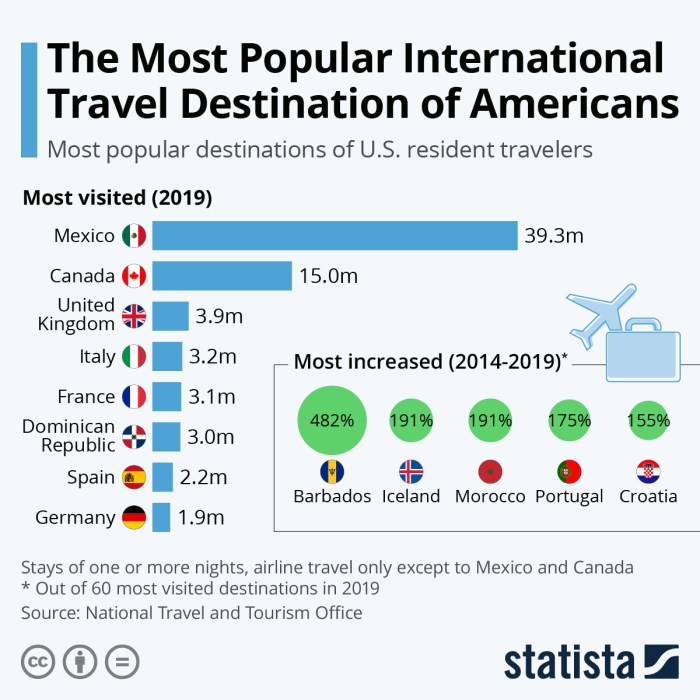
Planning a cultural tour requires careful consideration beyond simply choosing a destination. Success hinges on understanding visa requirements, transportation logistics, suitable accommodation, and respecting local customs. Ignoring these practicalities can significantly detract from the overall experience, potentially leading to unforeseen difficulties and frustrations. This section will address these crucial aspects for each of our top ten destinations, offering insights to ensure a smooth and enriching journey.
Visa Requirements and Entry Procedures
Navigating international travel necessitates understanding visa requirements well in advance. For example, citizens of many countries require a visa to enter Japan, while others may benefit from visa-waiver programs. Similarly, obtaining a Schengen visa allows access to numerous European countries, including some on our list, but the application process requires careful attention to detail. Always check the specific visa requirements based on your nationality and the destination country well before your travel dates, allowing ample time for application processing.
Failure to do so can result in significant delays or even prevent travel altogether. Official government websites are the best resource for the most up-to-date and accurate information.
Transportation Options within Destinations
Efficient and convenient transportation is vital for maximizing your cultural experience. Each destination offers a unique array of options. In cities like Kyoto, Japan, public transportation—specifically the extensive and efficient bus and train networks—is highly recommended. However, in more rural areas or less developed countries, private transportation like taxis or rented cars may be necessary. Consider researching local transportation options beforehand, comparing costs and convenience to choose the best fit for your itinerary and budget.
Understanding local transportation etiquette, such as proper ticketing procedures or accepted payment methods, will further enhance your experience.
Accommodation Choices and Considerations
Accommodation choices significantly impact the overall travel experience. Options range from budget-friendly hostels to luxurious hotels, each with its own advantages and disadvantages. Consider factors such as proximity to cultural attractions, amenities offered, and personal preferences when selecting accommodation. Booking accommodations well in advance, especially during peak seasons, is highly recommended to secure the best rates and availability.
Reviewing online reviews and comparing options across various booking platforms can help in making an informed decision. Factors such as safety, cleanliness, and accessibility should be carefully considered.
Respecting Local Customs and Traditions
Respecting local customs and traditions is paramount for a positive and meaningful cultural experience. This includes being mindful of dress codes, religious practices, and social etiquette. Researching common customs and traditions before your trip can help you avoid unintentional cultural faux pas. For example, in some cultures, direct eye contact might be considered disrespectful, while in others, it’s a sign of engagement.
Being observant, respectful, and open to learning about different cultural norms will significantly enhance your interactions with locals and contribute to a more enriching travel experience.
Potential Challenges and Limitations
Cultural tourists might encounter various challenges, including language barriers, unexpected logistical issues, or even cultural misunderstandings. Language barriers can be overcome by learning basic phrases in the local language or utilizing translation apps. Unforeseen logistical issues, such as transportation delays or accommodation problems, can be mitigated by having backup plans and being flexible. Cultural misunderstandings can be avoided through thorough research and respectful interactions.
Being prepared for potential challenges and having contingency plans in place will help to ensure a smoother and more enjoyable journey.
Sample One-Week Itinerary: Kyoto, Japan
This itinerary focuses on experiencing Kyoto’s rich cultural heritage.
| Day | Morning | Afternoon | Evening |
|---|---|---|---|
| 1 | Arrive in Kyoto, check into accommodation. Explore Gion district. | Visit Kiyomizu-dera Temple. | Enjoy a traditional Kaiseki dinner. |
| 2 | Visit Fushimi Inari Shrine. | Explore Arashiyama Bamboo Grove. | Attend a tea ceremony. |
| 3 | Visit Kinkaku-ji (Golden Pavilion). | Explore Ryoan-ji Temple’s Zen garden. | Enjoy dinner in Pontocho alley. |
| 4 | Day trip to Nara, visit Todai-ji Temple and Nara Park’s deer. | Explore Kasuga Taisha Shrine. | Return to Kyoto, relax. |
| 5 | Visit Nishiki Market. | Explore the Imperial Palace East Garden. | Enjoy a traditional Japanese cooking class. |
| 6 | Visit Heian Shrine. | Explore Ginkaku-ji (Silver Pavilion). | Attend a traditional performance (e.g., Kabuki). |
| 7 | Depart from Kyoto. |
Visual Representation of Cultural Highlights
Visual representations are crucial for understanding the essence of a culture. They offer a glimpse into the daily life, traditions, and artistic expressions of a people. By examining evocative images, we can gain a deeper appreciation for the unique character of each destination. The following descriptions aim to capture the visual richness of our top ten cultural destinations in 2024.
Visual Representations of Cultural Essence
Let’s explore a visually striking image representing the core cultural identity of each location. These images encapsulate the spirit and character of each destination.
Kyoto, Japan: Imagine a serene scene: a moss-covered stone lantern bathed in the soft light of dawn, nestled amongst vibrant maple trees ablaze with autumnal reds and oranges. The air is still, the only sound the gentle rustle of leaves. A lone figure in a traditional kimono, the deep indigo fabric a stark contrast to the fiery foliage, stands contemplating the scene.
This image evokes the tranquility and spiritual depth inherent in Kyoto’s culture.
Machu Picchu, Peru: The image is dominated by the majestic stone structures of Machu Picchu, clinging precariously to the mountainside. The Andes mountains form a dramatic backdrop, their peaks shrouded in mist. Terracotta hues of the ruins contrast with the vibrant green of the surrounding cloud forest. The textures are rough and weathered, speaking to the passage of time and the resilience of the Inca civilization.
Rome, Italy: The image centers on the Colosseum, its weathered travertine stone a warm ochre against the azure Roman sky. The texture is rough and pitted, telling tales of centuries past. In the foreground, a lively street scene unfolds, with people of diverse backgrounds mingling, a vibrant mix of colors and clothing. This represents the layers of history and the enduring vibrancy of Roman culture.
Marrakech, Morocco: A bustling souk, a kaleidoscope of vibrant colors and textures. Rich jewel tones of silks and spices spill from overflowing stalls. The air is thick with the scent of exotic perfumes and the sounds of bartering merchants. People in traditional djellabas, their faces a mixture of determination and warmth, navigate the crowded alleyways. This depicts the lively, sensory-rich culture of Marrakech.
New Orleans, USA: A vibrant street parade, a burst of color and sound. Elaborate floats, adorned with feathers and glitter, wind through the streets. People in colorful costumes, their faces painted, dance and celebrate with infectious energy. The atmosphere is joyful and exuberant, a reflection of the city’s unique musical and cultural heritage.
Cairo, Egypt: The image showcases the towering pyramids of Giza against the vast, ochre desert. The immense scale of the pyramids is emphasized by the small figures of tourists, dwarfed by the ancient structures. The textures are stark – the smooth, polished stone of the pyramids against the rough, shifting sands of the desert. This captures the timeless grandeur and ancient mystery of Egyptian civilization.
Buenos Aires, Argentina: A tango performance unfolds in a dimly lit milonga. Couples embrace, their movements fluid and passionate. The colors are muted, with deep reds and blacks dominating the scene. The atmosphere is intimate and intense, reflecting the dramatic and emotional heart of Argentine tango.
Florence, Italy: The image features the Duomo, its magnificent dome rising majestically against a clear blue sky. The intricate details of the marble facade are highlighted by the sun’s rays. The texture is smooth and polished, reflecting the artistry and craftsmanship of the Renaissance. The surrounding piazza is filled with people, adding a sense of lively energy to the scene.
This captures the grandeur and artistic legacy of Florence.
Santorini, Greece: A breathtaking sunset over the Aegean Sea, painting the sky in hues of fiery orange, deep purple, and soft pink. White-washed buildings, clinging to the cliffs, stand in stark contrast to the vibrant sky. The textures are varied – the smooth, whitewashed walls of the houses against the rough, volcanic rock of the cliffs. This image reflects the dramatic beauty and idyllic charm of Santorini.
Havana, Cuba: Classic American cars, vibrant in their faded pastel colors, cruise along the Malecón. The ocean waves crash against the seawall, creating a rhythmic backdrop. People stroll along the promenade, their faces relaxed and content. The scene is filled with a nostalgic charm, reflecting the resilience and unique character of Cuban culture.
Visual Representations of Cultural Events
Now, let’s consider a visually striking image representing a traditional cultural event or festival from each location.
Kyoto, Japan: The Gion Matsuri, a vibrant procession of elaborate floats, ornate with gold leaf and intricate carvings, parading through the ancient streets. The colors are rich and varied, with bold reds and golds dominating the scene. The atmosphere is festive and celebratory, a blend of tradition and modernity.
Machu Picchu, Peru: Inti Raymi, the Inca festival of the sun, a spectacle of colorful costumes, traditional music, and ancient rituals. The colors are bright and bold, representing the sun’s energy. The atmosphere is spiritual and reverent, honoring the ancient traditions of the Inca empire.
Rome, Italy: The Palio di Siena, a thrilling horse race through the historic Piazza del Campo. The jockeys in their brightly colored silks, the crowds cheering wildly, the medieval architecture forming a stunning backdrop. The colors are intense and vibrant, reflecting the passion and energy of the event.
Marrakech, Morocco: The Djemaa el-Fna, at night, transformed into a vibrant spectacle of storytellers, musicians, and food vendors. The air is filled with the sounds of traditional music, the smells of exotic spices, and the sights of mesmerizing performances. The atmosphere is lively and magical, a true feast for the senses.
New Orleans, USA: Mardi Gras, a kaleidoscope of color and exuberance. Elaborate floats, masked revelers, and a sea of beads create a vibrant and unforgettable spectacle. The atmosphere is electric and joyous, a celebration of life and community.
Cairo, Egypt: A vibrant celebration of Ramadan, with families gathering for Iftar, the breaking of the fast. The colors are warm and inviting, reflecting the spirit of community and faith. The atmosphere is serene and spiritual, a time for reflection and togetherness.
Buenos Aires, Argentina: A lively celebration of Día de la Independencia, with parades, traditional music, and vibrant displays of national pride. The colors are patriotic, with blues and whites dominating the scene. The atmosphere is festive and celebratory, showcasing the nation’s history and culture.
Florence, Italy: The Calcio Storico Fiorentino, a brutal but spectacular reenactment of a medieval football match. The players in their colorful costumes, the crowds roaring with excitement, the historical setting adding to the drama. The atmosphere is intense and exhilarating, a unique blend of history and spectacle.
Santorini, Greece: A traditional Greek Orthodox Easter celebration, with vibrant processions, religious hymns, and the lighting of bonfires. The colors are bold and symbolic, representing faith and hope. The atmosphere is spiritual and solemn, a reflection of deep-rooted religious traditions.
Havana, Cuba: A lively salsa performance, filled with energy, passion, and infectious rhythm. The colors are bright and bold, reflecting the vibrant spirit of Cuban culture. The atmosphere is electric and celebratory, a testament to the island’s musical heritage.
Unique Visual Aspects of Each Culture
Each destination possesses unique visual elements that contribute to its cultural identity. These elements, from architecture and clothing to art and festivals, create a distinctive visual landscape.
Kyoto’s visual culture is defined by its serene gardens, traditional architecture, and the elegant simplicity of its kimonos. Machu Picchu’s visual landscape is dominated by the breathtaking Andes mountains and the imposing stone structures of the Inca civilization. Rome’s visual culture is a layered tapestry of ancient ruins, Renaissance masterpieces, and the vibrant energy of modern life. Marrakech’s visual character is characterized by the intense colors and textures of its bustling souks, and the intricate designs of its traditional architecture.
New Orleans’ visual identity is rooted in its vibrant street parades, unique architecture, and the colorful costumes of its residents. Cairo’s visual identity is dominated by the timeless grandeur of the pyramids and the bustling streets of its ancient city. Buenos Aires’ visual culture is expressed through its passionate tango performances, elegant architecture, and vibrant street art. Florence’s visual culture is defined by its Renaissance masterpieces, magnificent cathedrals, and the artistry reflected in its streets and buildings.
Santorini’s visual identity is shaped by its dramatic volcanic landscape, white-washed buildings, and stunning sunsets over the Aegean Sea. Havana’s visual culture is characterized by its classic American cars, colorful colonial architecture, and the vibrant energy of its people.
Comparing and Contrasting Destinations
Choosing the right cultural destination depends heavily on individual preferences and priorities. This section compares and contrasts our top ten destinations, considering factors crucial to a fulfilling cultural tourism experience. We’ll examine accessibility, cost, the authenticity of the cultural immersion offered, and the quality of tourist infrastructure available. This analysis aims to help you select the destination best suited to your unique travel style and interests.
Destination Comparison Based on Key Factors
The following table provides a comparative overview of the ten destinations, considering accessibility, cost, cultural authenticity, and tourist infrastructure. Note that these are general observations and individual experiences may vary. Cost is assessed based on average daily spending for a mid-range traveler, and accessibility considers factors like visa requirements, transportation infrastructure, and ease of navigation for travelers with disabilities.
Cultural authenticity is a subjective assessment based on the degree to which the culture is genuinely experienced, rather than a commercialized version.
| Destination | Accessibility | Cost (USD/day) | Cultural Authenticity |
|---|---|---|---|
| Kyoto, Japan | High (excellent public transport, relatively easy visa process) | $100 – $200 | High (well-preserved traditions, strong sense of local identity) |
| Machu Picchu, Peru | Medium (requires travel to Cusco, altitude can be challenging) | $80 – $150 | High (Inca heritage, unique historical site) |
| Rome, Italy | High (major international airport, extensive public transport) | $120 – $250 | High (ancient history, vibrant contemporary culture) |
| Marrakech, Morocco | Medium (relatively easy visa process, but navigating souks can be challenging) | $50 – $100 | High (rich history, vibrant souks and medina) |
| New Orleans, USA | High (easy visa access for many nationalities, good public transport in some areas) | $100 – $200 | High (unique blend of cultures, strong musical tradition) |
| Buenos Aires, Argentina | Medium (visa requirements vary, public transport is available but can be unreliable) | $70 – $150 | High (passionate tango culture, European-influenced architecture) |
| Delhi, India | Medium (visa required, navigating the city can be challenging for first-timers) | $40 – $100 | High (ancient history, diverse cultural influences) |
| Cairo, Egypt | Medium (visa required, navigating the city requires planning) | $60 – $120 | High (ancient wonders, rich history) |
| Havana, Cuba | Medium (visa required, public transport is limited) | $70 – $120 | High (unique blend of cultures, classic cars, vibrant music scene) |
| Seville, Spain | High (easy access within the EU, good public transport) | $80 – $150 | High (Moorish heritage, flamenco tradition, vibrant city life) |
Destination Suitability for Different Traveler Types
Kyoto and Rome are ideal for history buffs, offering a wealth of ancient sites and museums. Art enthusiasts might find Buenos Aires, with its vibrant street art scene, and Seville, known for its flamenco performances, particularly appealing. Foodies will be spoiled for choice in all ten destinations, but Marrakech, New Orleans, and Delhi offer particularly diverse and exciting culinary experiences.
Those seeking a more budget-friendly option might consider Marrakech or Delhi, while those prioritizing ease of access and well-developed tourist infrastructure should lean towards Kyoto, Rome, or Seville.
As we conclude our exploration of the best cultural tourist destinations for 2024, it’s clear that the world offers an abundance of enriching experiences for the discerning traveler. Whether you are drawn to ancient history, vibrant art scenes, or the allure of exotic culinary traditions, the options are diverse and exciting. Remember to embrace the local culture, respect customs, and allow yourself to be fully immersed in the unique atmosphere of each destination.
Your journey awaits – a journey of discovery and unforgettable memories.
FAQ Overview
What is the best time to visit these destinations?
The ideal time varies greatly depending on the specific location and its climate. Research the best time to visit each destination individually for optimal weather and fewer crowds.
How much should I budget for a cultural trip?
Budgeting depends heavily on your chosen destinations, travel style (luxury vs. budget), and duration of your trip. Thorough research and planning are crucial to determine a realistic budget.
What are some tips for respectful cultural interactions?
Research local customs and etiquette before traveling. Dress modestly when visiting religious sites, learn a few basic phrases in the local language, and always be mindful of local traditions and norms.
Are there any safety concerns I should be aware of?
Safety concerns vary by location. Research the specific safety guidelines and recommendations for each destination you plan to visit, and take necessary precautions.


