Exploring the world’s top cultural tourist attractions offers a captivating journey through history, art, and diverse human experiences. From ancient ruins whispering tales of bygone empires to vibrant modern festivals pulsating with life, these destinations provide invaluable insights into different cultures and their unique expressions. This exploration delves into the factors that elevate certain attractions to “top” status, examining their cultural significance, economic impact, and the role of sustainable tourism practices in preserving their legacy for future generations.
We’ll examine the profiles of cultural tourists themselves, understanding their motivations and expectations. Furthermore, we’ll analyze successful marketing strategies, considering both traditional and digital approaches to promoting these invaluable destinations and the crucial role of community involvement in ensuring their long-term viability.
Defining “Top Cultural Tourist Attractions”
Cultural tourist attractions encompass sites, events, and experiences that offer insights into a region’s history, traditions, art, and way of life. They differ from other tourist destinations, such as natural landscapes or adventure parks, by focusing on the human element and the cultural heritage of a place. The appeal lies not just in seeing something, but in understanding its significance and connecting with a different culture.Defining what constitutes a “top” cultural attraction involves several factors.
High visitor numbers are certainly an indicator, but other criteria include historical importance, architectural merit, artistic value, unique cultural practices represented, and overall visitor experience. The ranking also often reflects global recognition and influence, as well as the attraction’s preservation efforts and accessibility.
Examples of Diverse Cultural Attractions
Cultural attractions span a wide spectrum, reflecting the global tapestry of human civilization. Below are examples categorized by type:
| Attraction Name | Location | Cultural Significance | Unique Features |
|---|---|---|---|
| The Great Wall of China | China | Symbol of Chinese civilization, defense, and ingenuity; a testament to human effort and resilience spanning centuries. | Immense length, varied architectural styles along its course, breathtaking views, and historical significance as a defense structure. |
| Machu Picchu | Peru | Inca citadel showcasing advanced engineering and urban planning; a significant site for understanding Inca culture and history. | Spectacular mountaintop setting, well-preserved stone structures, intricate agricultural terraces, and mysterious origins. |
| The Louvre Museum | Paris, France | Houses a vast collection of world-renowned art, from ancient artifacts to masterpieces of the Renaissance and beyond; a significant repository of human creativity and cultural expression. | Iconic glass pyramid entrance, vast collection spanning diverse periods and cultures, and its historical significance as a royal palace. |
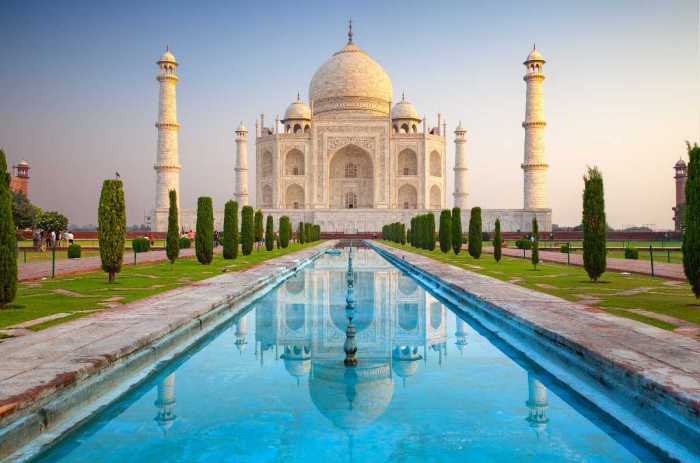
| The Taj Mahal | Agra, India | A mausoleum built by Mughal emperor Shah Jahan to honor his wife; a stunning example of Mughal architecture and a symbol of love and loss. | Intricate marble inlay work, symmetrical design, reflective pools, and a breathtaking setting at sunrise or sunset. |
| Carnival in Rio de Janeiro | Rio de Janeiro, Brazil | A vibrant celebration of music, dance, and costumes; a major cultural event reflecting Brazilian identity and creativity. | Elaborate floats, flamboyant costumes, samba music and dance, and a massive, energetic atmosphere. |
The Cultural Tourist Profile
Understanding the cultural tourist is crucial for effective destination marketing and resource allocation. This profile encompasses demographic characteristics, travel motivations, spending patterns, and key decision-making factors. By comparing cultural tourists to other traveler types, we can better tailor experiences and infrastructure to meet their specific needs and expectations.Cultural tourists are a diverse group, but certain commonalities emerge. They are often more affluent than other traveler segments, possessing disposable income dedicated to enriching experiences rather than solely leisure activities.
This demographic often skews towards older age brackets, although younger generations are increasingly embracing cultural tourism as a form of personal development and exploration. Their travel motivations extend beyond relaxation; they actively seek immersion in local culture, history, and traditions.
Demographic Characteristics and Travel Motivations
Cultural tourists represent a broad spectrum of ages, incomes, and educational backgrounds. However, a significant portion tends to be older adults (35-65 years old) with higher levels of education and disposable income. These individuals are often motivated by a desire for personal enrichment, learning about different cultures, and experiencing authentic local traditions. Younger cultural tourists, while less prevalent statistically, are often driven by a similar desire for self-discovery and broadening their horizons, often documenting their experiences extensively through social media.
In contrast, adventure tourists prioritize physical challenges and adrenaline-inducing activities, while eco-tourists focus on sustainable and environmentally conscious travel.
Spending Habits of Cultural Tourists
Cultural tourists tend to spend more on experiences than other traveler segments. This includes higher expenditure on accommodation, dining in local restaurants offering authentic cuisine, attending cultural events (concerts, museums, festivals), participating in guided tours, and purchasing locally-made crafts and souvenirs. For example, a cultural tourist visiting Florence might invest in a private guided tour of the Uffizi Gallery, dine at a traditional trattoria, and purchase a handcrafted leather item, resulting in significantly higher spending compared to a budget backpacker.
Destination Choice Factors
Several factors significantly influence a cultural tourist’s destination choices. Authenticity is paramount; they seek genuine cultural experiences, avoiding overly commercialized or staged attractions. Accessibility and convenience also play a role; ease of travel, available infrastructure, and language barriers all affect their decisions. Safety and security are key considerations, as is the destination’s reputation for cultural preservation and respect.
The availability of cultural activities, historical sites, and opportunities for interaction with local communities further influences their choices. For example, a tourist choosing between two cities with similar historical sites might select the city with better reviews for safety and authenticity of cultural experiences.
Needs and Expectations of Cultural Tourists
The needs and expectations of cultural tourists can be summarized as follows:
- Authentic cultural experiences: Opportunities to engage with local traditions, arts, and customs.
- High-quality accommodation and services: Comfortable and well-maintained lodgings that reflect the local character.
- Access to historical sites and museums: Well-preserved and easily accessible cultural attractions.
- Engaging and informative guided tours: Expert-led tours that provide insightful and engaging commentary.
- Opportunities for interaction with local communities: Chances to meet and learn from local people.
- Respect for local culture and traditions: A destination that values and preserves its cultural heritage.
- Safety and security: A destination with a low crime rate and reliable infrastructure.
- Accessibility and convenience: Easy access to transportation and other necessary services.
Impact of Cultural Attractions on Local Communities
The influx of cultural tourists presents a complex interplay of benefits and challenges for the host communities. While tourism can significantly boost local economies and raise the profile of cultural heritage, it also carries the potential for negative consequences if not managed sustainably. Understanding this duality is crucial for maximizing the positive impacts and mitigating the negative ones.Economic Benefits and Challenges of Cultural TourismCultural attractions often serve as the cornerstone of a thriving tourism industry.
The economic benefits are multifaceted, ranging from direct revenue generation through ticket sales, accommodation, and guided tours, to indirect benefits such as increased employment in related sectors like hospitality, transportation, and crafts. However, the sheer volume of tourists can strain local infrastructure, leading to increased costs for residents in terms of housing, transportation, and essential services. Over-reliance on tourism can also create economic vulnerability, making communities susceptible to fluctuations in visitor numbers due to global events or economic downturns.
For example, the sudden decline in tourism following the COVID-19 pandemic highlighted the precariousness of economies heavily dependent on this sector.
Contribution to Cultural Preservation and Promotion
Cultural attractions play a vital role in preserving and promoting local culture and heritage. By showcasing historical sites, traditional arts, and local customs, these attractions foster a sense of community pride and identity. The revenue generated from tourism can be reinvested in conservation efforts, helping to maintain and restore historical buildings, artifacts, and landscapes. Moreover, the increased exposure generated by tourism can lead to greater appreciation and understanding of local culture, both nationally and internationally.
The success of initiatives like the restoration of the Angkor Wat temple complex in Cambodia, largely funded by tourism revenue, stands as a testament to this potential.
Negative Impacts of Tourism and Mitigation Strategies
The rapid growth of tourism can lead to several negative consequences for local communities. Increased population density can strain resources, leading to environmental degradation, such as pollution and habitat loss. The influx of tourists can also lead to the displacement of local residents due to rising property values and competition for resources. Furthermore, the commercialization of culture can lead to the commodification of traditions, potentially diluting their authenticity and significance.
Mitigation strategies include implementing sustainable tourism practices, such as limiting visitor numbers, promoting responsible travel behavior, and ensuring that local communities benefit directly from tourism revenue through fair wages and equitable distribution of resources. Careful planning and zoning regulations can help to balance the needs of tourism with the preservation of local environments and cultural integrity.
Comparison of Positive and Negative Impacts
| Positive Impacts | Negative Impacts |
|---|---|
| Increased economic activity and employment opportunities | Strain on local infrastructure and resources |
| Preservation and promotion of local culture and heritage | Environmental degradation and pollution |
| Improved infrastructure and community facilities (potentially) | Displacement of local residents due to rising costs |
| Increased awareness and appreciation of local culture | Commodification and potential loss of cultural authenticity |
| Enhanced international recognition and prestige | Social disruption and potential conflict between locals and tourists |
Marketing and Promotion of Cultural Attractions
Successfully marketing cultural attractions requires a multifaceted approach that leverages various strategies to reach diverse audiences and effectively communicate the unique value proposition of each site. This involves understanding the target market, crafting compelling narratives, and utilizing appropriate channels to disseminate information. Effective marketing is crucial for generating revenue, enhancing the visitor experience, and ensuring the long-term sustainability of cultural heritage sites.
Effective Marketing Strategies for Attracting Cultural Tourists
Effective marketing for cultural attractions hinges on a deep understanding of the target audience and their motivations. Strategies should emphasize the unique experiences offered, highlighting what sets the attraction apart from competitors. This could involve focusing on the historical significance, artistic merit, or unique cultural practices associated with the site. A multi-channel approach, encompassing both traditional and digital media, is essential for maximizing reach and engagement.
Collaborations with travel agencies, tourism boards, and influencers can significantly broaden the audience. Furthermore, creating compelling visual content, such as high-quality photography and videography, is crucial for capturing attention and inspiring wanderlust. Finally, offering diverse packages and experiences, such as guided tours, workshops, and special events, caters to a wider range of interests and budgets.
Examples of Successful Marketing Campaigns for Cultural Attractions
The “Year of the Pilgrim” campaign launched by the Spanish government to promote the Camino de Santiago pilgrimage route exemplifies successful cultural tourism marketing. The campaign used evocative imagery and storytelling to tap into the spiritual and personal journey aspects of the pilgrimage, attracting a wider audience than traditional religious pilgrims. Another example is the marketing campaign for the Louvre Museum in Paris.
The museum has successfully leveraged digital platforms and social media to showcase its collections, engaging younger audiences through interactive content and behind-the-scenes glimpses. These campaigns demonstrate the importance of tailored messaging, leveraging the power of storytelling, and utilizing multiple channels to reach a diverse audience. Furthermore, successful campaigns frequently involve collaborations with influencers and travel bloggers, extending reach and enhancing credibility.
The Role of Digital Media in Promoting Cultural Tourism
Digital media plays a pivotal role in promoting cultural tourism, offering unparalleled opportunities to reach a global audience. Websites, social media platforms, and online travel agencies (OTAs) are crucial channels for disseminating information, showcasing visual content, and engaging with potential visitors. Targeted advertising campaigns on social media platforms allow for precise audience segmentation, ensuring that marketing efforts reach individuals most likely to be interested.
Interactive virtual tours and augmented reality (AR) experiences offer immersive previews of cultural attractions, encouraging bookings and enhancing anticipation. The use of data analytics provides valuable insights into visitor behavior, enabling the optimization of marketing strategies and content creation. The ability to create engaging content across multiple digital platforms is essential for reaching a broad and diverse audience.
Mock Marketing Plan for a Hypothetical Cultural Attraction
This plan Artikels a marketing strategy for the fictional “Sunstone City,” an ancient Mayan archaeological site with well-preserved temples and unique artifacts. Target Audience: Affluent, internationally-minded travelers aged 35-65 interested in history, archaeology, and sustainable tourism. Secondary target: younger travelers (25-35) interested in adventure travel and unique cultural experiences. Messaging: “Discover the Lost City of Sunstone: Uncover the mysteries of a forgotten civilization in the heart of the rainforest.” This message emphasizes the sense of adventure and discovery, highlighting the unique historical and cultural significance of the site.
Channels:
- Website: High-quality photography, virtual tours, detailed information on tours and packages, booking system.
- Social Media: Instagram (visually appealing content), Facebook (targeted ads and community engagement), YouTube (virtual tours and documentaries).
- Partnerships: Collaborations with luxury travel agencies specializing in cultural tourism, partnerships with relevant influencers and travel bloggers.
- Public Relations: Press releases to relevant travel publications and media outlets, participation in international tourism fairs.
- Email Marketing: Targeted email campaigns to subscribers based on their interests and previous engagement.
Sustainable Cultural Tourism Practices
Sustainable cultural tourism prioritizes the long-term preservation of cultural heritage and the well-being of local communities alongside the enjoyment of visitors. It moves beyond simply attracting tourists to actively protecting and enhancing the cultural resources that draw them in. This approach recognizes the interconnectedness of environmental, social, and economic aspects, aiming for a balanced and responsible form of tourism.Sustainable tourism principles, applied to cultural attractions, emphasize minimizing negative impacts and maximizing positive contributions.
This includes responsible resource management, respecting local cultures and traditions, and ensuring equitable economic benefits are shared within the community. The goal is to create a mutually beneficial relationship between tourists, local residents, and the cultural heritage itself, ensuring its viability for generations to come.
Principles of Sustainable Cultural Tourism and Their Relevance
The core principles of sustainable tourism are directly applicable to cultural attractions. Environmental sustainability focuses on minimizing the ecological footprint of tourism activities, such as reducing waste, conserving water, and using renewable energy sources. Economic sustainability ensures that tourism revenue benefits local communities, creating jobs and supporting local businesses. Socio-cultural sustainability prioritizes respecting local cultures and traditions, involving communities in decision-making processes, and ensuring that tourism does not lead to the erosion of cultural identity.
The relevance lies in the fact that uncontrolled tourism can damage fragile cultural sites, displace local communities, and commodify cultural practices, undermining their authenticity and value. Sustainable practices help mitigate these risks.
Examples of Sustainable Practices at Cultural Destinations
Several cultural destinations successfully implement sustainable practices. For instance, Machu Picchu in Peru limits the number of daily visitors to protect the Inca Trail and the ancient site itself. Many museums worldwide are adopting green building practices, reducing energy consumption and waste. In some communities, traditional crafts and skills are promoted through tourism, providing economic opportunities for locals while preserving cultural heritage.
Furthermore, initiatives focusing on responsible waste management, such as recycling programs and the reduction of single-use plastics, are becoming increasingly common. These examples highlight the diverse ways in which sustainability can be integrated into cultural tourism management.
Community Involvement in Sustainable Tourism Initiatives
Community involvement is paramount to the success of sustainable tourism initiatives. Local communities are the custodians of cultural heritage and possess invaluable knowledge and insights. Their participation in planning, decision-making, and implementation processes ensures that tourism development aligns with their values and aspirations. Furthermore, involving communities fosters a sense of ownership and responsibility, promoting long-term sustainability. Effective community engagement requires open communication, transparency, and equitable benefit-sharing.
This can be achieved through participatory planning workshops, community-based tourism enterprises, and fair compensation for services provided.
Visual Representation of Sustainable Cultural Tourism
Imagine a vibrant circular diagram. At the center is a majestic cultural landmark, perhaps an ancient temple or a traditional village. Three interconnected sections radiate outwards. The first, colored green, represents environmental sustainability, showing images of lush vegetation, clean energy sources (like solar panels), and responsible waste management practices. The second section, colored blue, symbolizes socio-cultural sustainability, displaying diverse people actively participating in cultural events, artisans practicing their crafts, and respectful interactions between tourists and locals.
The third section, colored gold, depicts economic sustainability, showcasing local businesses thriving, fair wages being paid, and community development projects funded by tourism revenue. Arrows connect the three sections, illustrating the interdependence of these elements, demonstrating that environmental, socio-cultural, and economic sustainability are mutually reinforcing aspects of a successful and sustainable cultural tourism model.
In conclusion, the world’s top cultural tourist attractions represent not only remarkable destinations but also vital components of global heritage. Their success hinges on a delicate balance between economic benefits, cultural preservation, and sustainable practices. By understanding the dynamics of cultural tourism, we can ensure that these invaluable sites continue to thrive, enriching the lives of both visitors and local communities for years to come.
The effective marketing and promotion of these sites, coupled with a commitment to responsible tourism, are paramount to their continued success and preservation.
Q&A
What makes a cultural attraction “top”?
A combination of factors, including historical significance, unique features, visitor reviews, accessibility, and overall visitor experience contribute to an attraction’s ranking as “top”.
How can I contribute to sustainable cultural tourism?
Support local businesses, respect local customs, minimize your environmental impact, and engage in responsible travel practices.
Are there any downsides to cultural tourism?
Overtourism can strain local resources, damage cultural sites, and negatively impact local communities. Responsible planning and management are crucial.
What types of cultural attractions are most popular?
Popular choices include historical sites, museums, art galleries, festivals, and religious sites, varying based on traveler interests.


