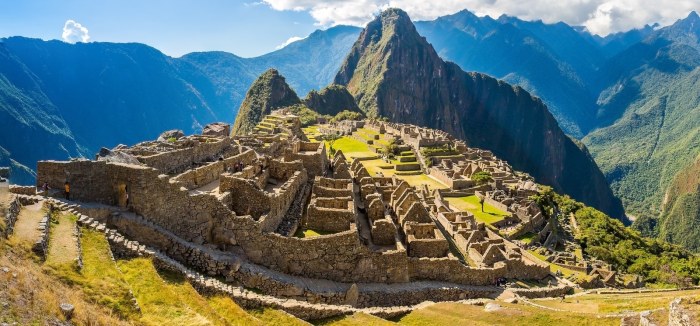
Cultural travel transcends typical tourism; it’s about genuine immersion, understanding diverse cultures firsthand, and forging meaningful connections with people and places. This exploration delves into the multifaceted nature of cultural travel, examining its motivations, impacts, and the crucial role of responsible engagement. We will navigate the nuances of crafting authentic experiences and marketing them effectively, while also addressing the challenges and opportunities within this ever-evolving sector.
From understanding the motivations of the cultural tourist to analyzing the economic, social, and environmental consequences of this travel style, we’ll uncover the intricate tapestry of cultural tourism. We’ll also explore effective strategies for designing respectful and engaging experiences, marketing these unique offerings, and addressing the challenges of overtourism and cultural commodification.
Defining Cultural Travel Experiences

Cultural travel experiences go beyond simply visiting a new place; they involve a deeper engagement with the local culture, fostering understanding and appreciation. It’s about connecting with the spirit of a destination, rather than just ticking off tourist attractions. A successful cultural experience leaves travelers with a richer perspective and a deeper understanding of different ways of life.Cultural immersion requires several key components.
First, there’s a genuine desire to learn and connect with the local culture. This involves an open mind and a willingness to step outside of one’s comfort zone. Second, active participation is crucial. Passive observation alone is insufficient for a truly immersive experience. Finally, respect for local customs and traditions is paramount.
Travelers should strive to be mindful and considerate of the local community.
Authentic Cultural Engagement Activities
Examples of authentic cultural engagement include participating in local festivals and celebrations, attending traditional performances, taking cooking classes featuring regional cuisine, visiting local markets and interacting with vendors, learning basic phrases in the local language, staying in locally-owned accommodations, and engaging in meaningful interactions with local residents. These activities offer opportunities to learn about local traditions, customs, and perspectives, creating a more enriching and memorable travel experience.
For instance, participating in a traditional tea ceremony in Japan provides a deeper understanding of Japanese culture than simply visiting a tea shop. Similarly, attending a local festival in Mexico offers a more authentic experience than visiting a tourist-oriented version of the same event.
Cultural Tourism versus Traditional Tourism
Cultural tourism focuses on experiencing and understanding the culture of a destination, while traditional tourism often prioritizes sightseeing and relaxation. Traditional tourism might involve visiting famous landmarks, relaxing on beaches, or enjoying resort amenities. In contrast, cultural tourism actively seeks out opportunities to engage with the local culture, such as visiting historical sites with a focus on their cultural significance, participating in local traditions, and interacting with the local community.
The difference lies in the level of engagement and the primary motivation for travel. Traditional tourism is often more passive, whereas cultural tourism is more active and participatory.
Categorization of Cultural Travel Experiences
The following table categorizes different types of cultural travel experiences based on their level of engagement:
| Engagement Level | Type of Experience | Example |
|---|---|---|
| Observational | Visiting a historical site | Touring the Acropolis in Athens, Greece, observing its architecture and history. |
| Participatory | Taking a cooking class | Learning to prepare traditional Thai dishes in a hands-on cooking class. |
| Immersive | Homestay with a local family | Living with a family in rural Italy, participating in their daily life and learning their customs. |
Challenges and Opportunities in Cultural Tourism
Cultural tourism, while offering immense potential for economic growth and cross-cultural understanding, faces significant challenges that must be addressed to ensure its sustainability and positive impact on host communities. The delicate balance between preserving cultural heritage and capitalizing on its tourism appeal requires careful management and innovative strategies. This section explores both the hurdles and the exciting possibilities within this dynamic sector.
Overtourism and its Impacts on Cultural Destinations
Overtourism, characterized by excessive visitor numbers exceeding a destination’s carrying capacity, poses a considerable threat to cultural tourism. The influx of tourists can lead to overcrowding, infrastructure strain, environmental degradation, and the erosion of authentic cultural experiences. For example, the city of Venice, Italy, has struggled with overtourism for years, experiencing overcrowding in its historic canals and streets, resulting in damage to historical buildings and a diminished quality of life for residents.
This phenomenon necessitates the implementation of sustainable tourism practices to mitigate negative consequences. The degradation of historical sites due to increased foot traffic, the increased cost of living for locals forced out by high property prices driven by tourism, and the homogenization of local culture to cater to tourist expectations are all consequences of unchecked growth in visitor numbers.
Commodification of Culture and its Ethical Implications
The commodification of culture, where cultural practices and traditions are transformed into marketable products, raises ethical concerns. Authentic cultural experiences can be diluted or even lost when they are reduced to staged performances or superficial representations for tourists. The creation of “cultural theme parks” which often misrepresent the cultural nuances of a location, can trivialize the significance of these traditions.
This process can lead to a loss of cultural identity and a sense of alienation among local communities. For instance, the performance of traditional dances for tourists without proper context or respect can lead to the trivialization of these important cultural expressions.
Technological Advancements and Enhanced Cultural Travel Experiences
Technology offers significant opportunities to enhance cultural tourism experiences while simultaneously addressing some of its challenges. Augmented reality (AR) applications can overlay digital information onto real-world locations, enriching the visitor’s understanding of historical sites and cultural practices. Virtual reality (VR) offers immersive experiences that allow people to “visit” destinations remotely, reducing the pressure on physical locations. Online platforms and mobile apps can provide access to curated information, interactive maps, and personalized itineraries, improving the visitor’s experience and facilitating sustainable travel choices.
For example, the use of AR apps to provide historical context at archaeological sites allows visitors to engage more deeply with the site without the need for physical guides or crowded tours.
Solutions for Addressing Challenges in Cultural Tourism
Effective strategies are crucial to address the challenges facing cultural tourism. These strategies require collaboration between government agencies, tourism businesses, and local communities.
- Implementing sustainable tourism policies and carrying capacity limits to manage visitor numbers and protect destinations from overtourism.
- Promoting responsible tourism practices that encourage respectful interactions with local cultures and environments.
- Supporting local communities through community-based tourism initiatives, ensuring that tourism benefits directly contribute to their economic well-being and cultural preservation.
- Developing innovative technologies that enhance cultural experiences while reducing environmental impact and promoting sustainable practices.
- Investing in infrastructure improvements to manage increased visitor numbers without negatively impacting local communities or the environment.
- Encouraging cultural exchange and understanding through educational programs and cultural awareness initiatives.
Ultimately, the future of cultural travel hinges on responsible practices and a genuine appreciation for the cultures we encounter. By understanding the needs of both travelers and host communities, and by embracing sustainable and ethical approaches, we can ensure that cultural tourism continues to thrive, enriching lives and fostering cross-cultural understanding for generations to come. The journey towards authentic and impactful cultural experiences is a collaborative one, requiring careful planning, mindful engagement, and a deep respect for the traditions and communities we visit.
Helpful Answers
How much does cultural travel typically cost?
Costs vary greatly depending on destination, length of stay, and activities. Budgeting can range from backpacking adventures to luxury experiences.
What are the best times of year to travel for specific cultural events?
This depends entirely on the specific culture and event. Researching local festivals and holidays is key to planning your trip around cultural highlights.
How can I ensure I’m being respectful of local customs and traditions?
Researching local etiquette, dress codes, and customs beforehand is crucial. Be mindful, observant, and always ask before taking photos of people.
What if I don’t speak the local language?
Learning basic phrases is always helpful. Translation apps and hiring local guides can greatly enhance your experience.


